
 中文版
中文版 Soochow University
 Search
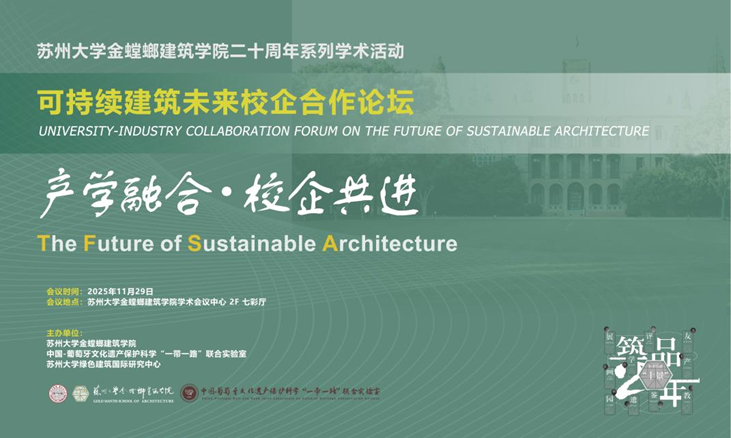
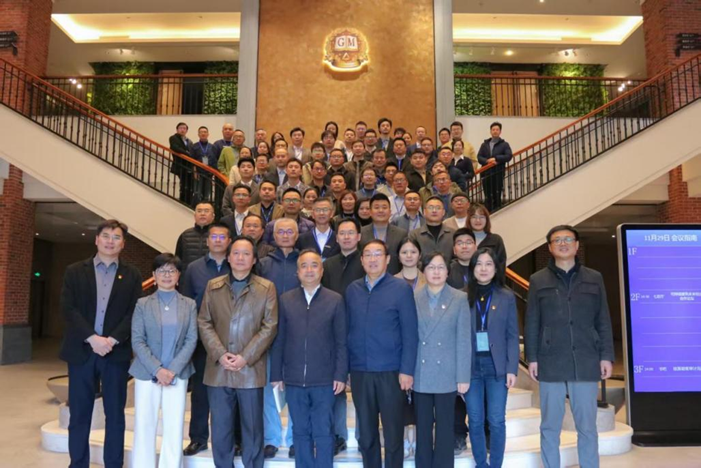
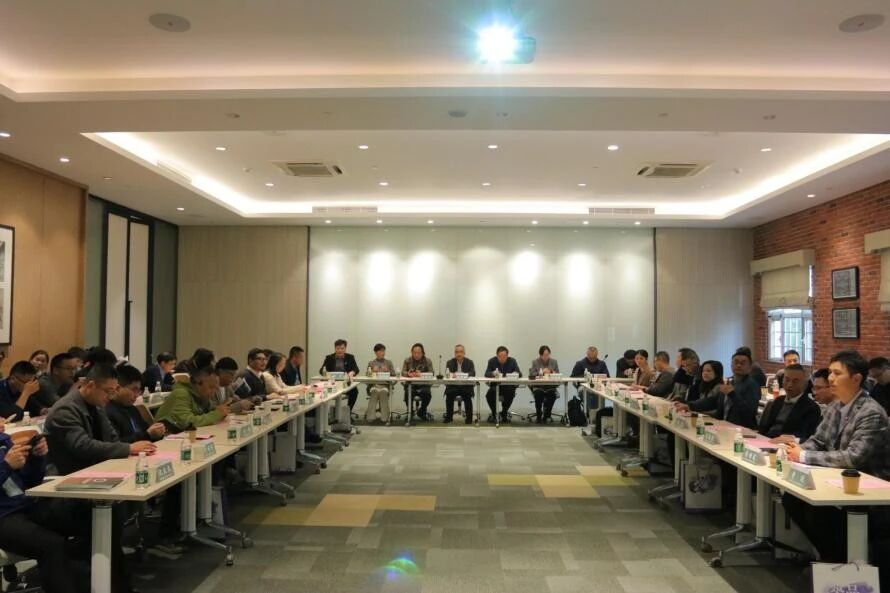
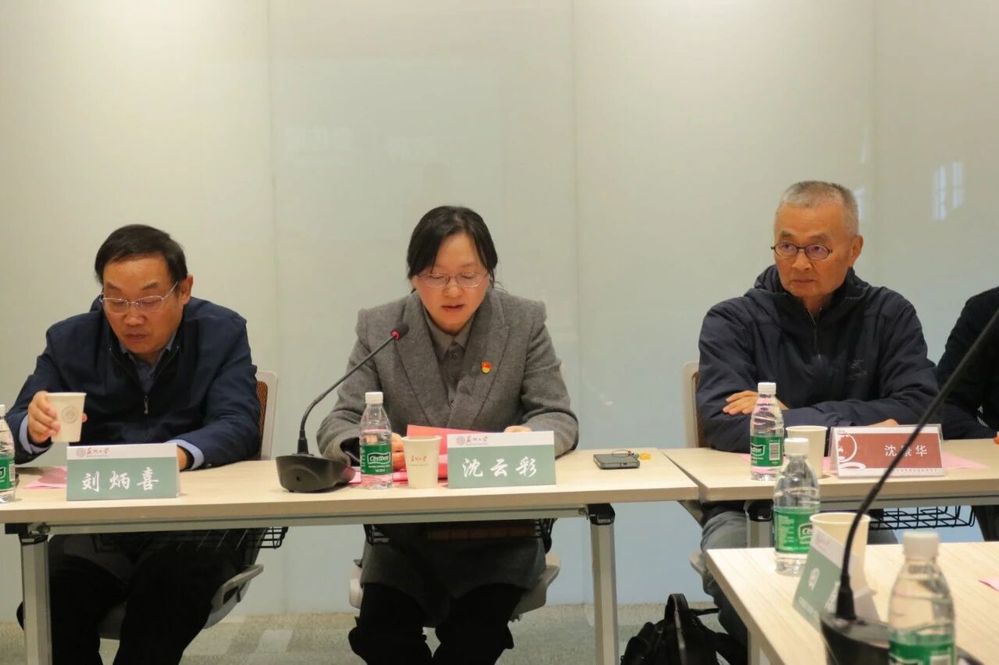
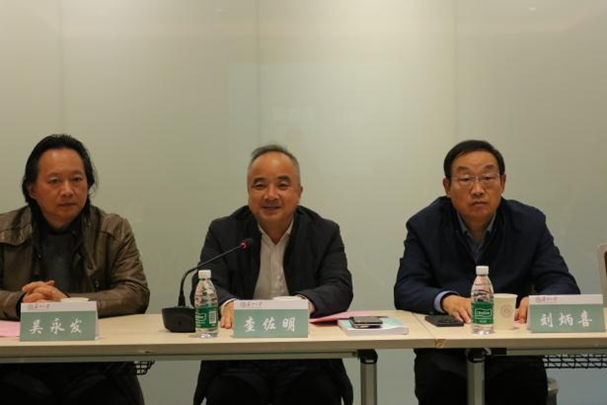
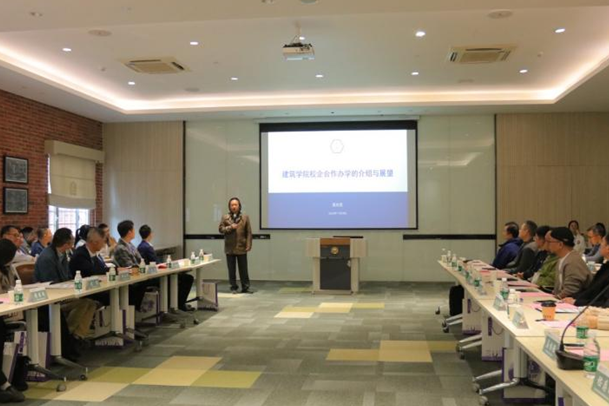
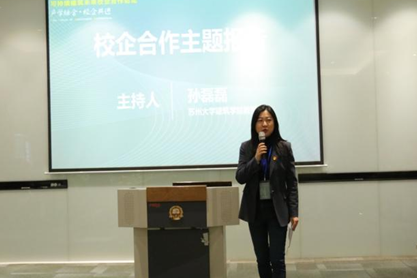
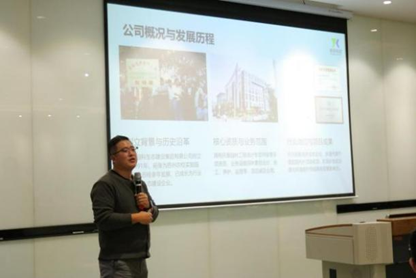
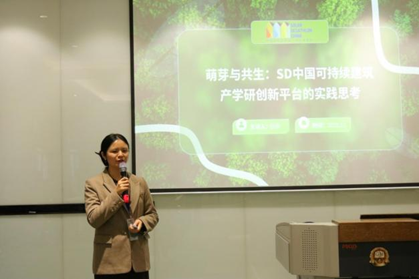
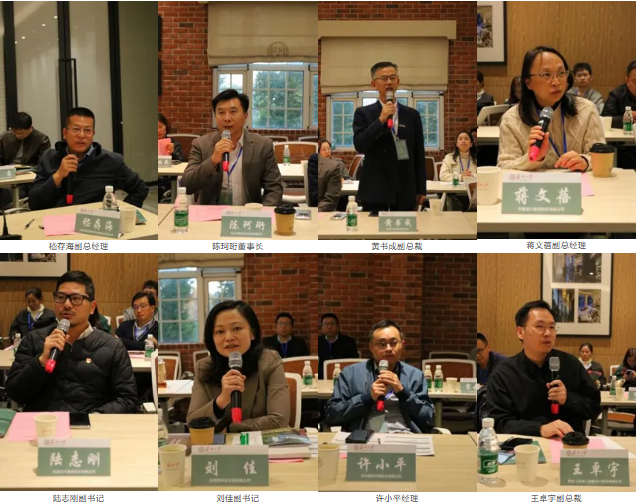
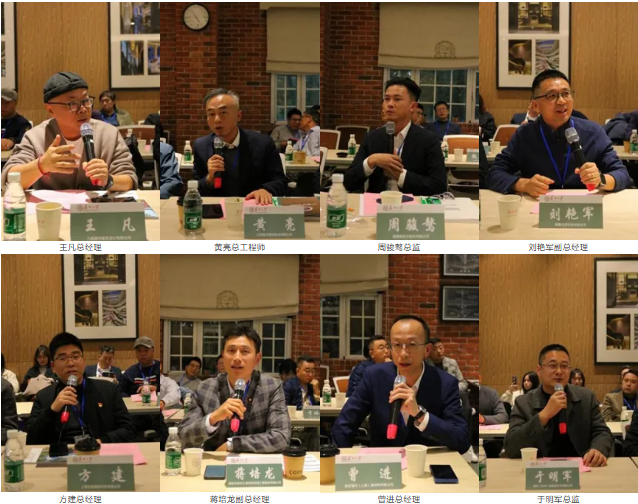
On November 29, 2025, as part of the 20th-anniversary celebration series of the Gold Mantis School of Architecture at Soochow University, the "Sustainable Architecture Future: University-Enterprise Cooperation Forum" was successfully convened at the university's Academic Conference Center. Under the theme "Integrating Industry and Education: Advancing Together," the forum explored collaborative approaches to talent development, technological innovation, and the transformation of achievements in sustainable architecture through multi-dimensional integration across education, academia, and application.
The event was jointly organized by the Gold Mantis School of Architecture, the China-Portugal Joint Laboratory of Cultural Heritage Conservation Science along the "Belt and Road," and the International Research Center for Green Building at Soochow University. More than 60 representatives from over 40 enterprises gathered at the university.
Forum Opening Ceremony
The forum commenced with an address by Zha Zuoming, Vice President of Soochow University. On behalf of the university, he extended a warm welcome to all guests and outlined the university's educational achievements and progress in industry-academia-research collaboration through the framework of the "five dimensions" — commitment, legacy, breadth, depth, and height. Vice President Zha emphasized that university-enterprise cooperation is a key driver for Soochow University to advance technological innovation and industrial integration. He stressed that only by truly integrating the chains of innovation, industry, talent, and capital can we solve real-world problems, transform genuine technologies, and cultivate skilled professionals.
Following this, Professor Wu Yongfa, Dean of the School of Architecture and Director of the Joint Laboratory, provided a comprehensive overview of the school's collaborative education model with enterprises. Focusing on co-established platforms, talent cultivation, and social practice, he systematically presented the cooperation models and outcomes of industry-research integration, industry-education integration, and industry-application integration.
Signing Ceremonies for University-Enterprise Cooperation
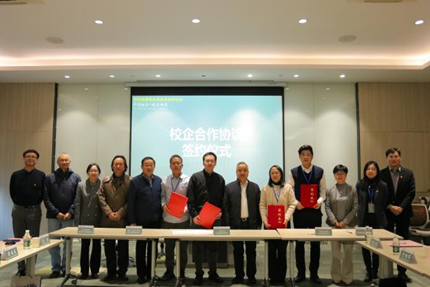
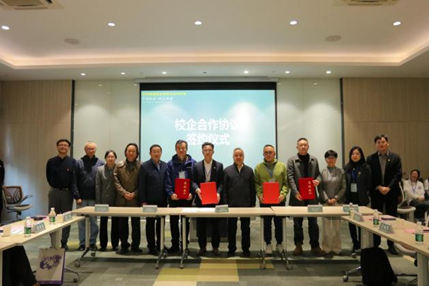
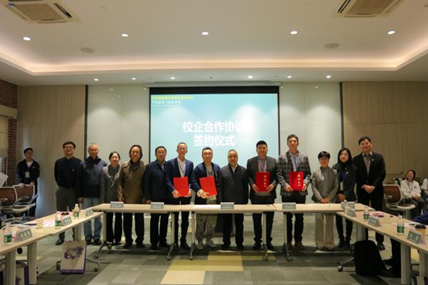
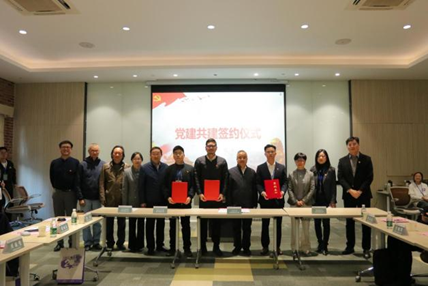
To further deepen university-enterprise partnerships and promote the integrated development of industry-academia-research collaboration under the guidance of Party leadership, the school signed the "Framework Agreement on Industry-Academia-Research Cooperation" and the "Party Co-construction Agreement" with several participating enterprises.
Dean Wu Yongfa, on behalf of the school, signed the "Framework Agreement on Industry-Academia-Research Cooperation" with representatives from 12 enterprises, including China-harmony, CDC, Huamao, Meicheng, GoodWe, Zuohai, Botuo, Sruian, Tenofa, Yinghuamei, Jianheng, and Zhongling Huahui. These agreements aim to foster collaboration in scientific research, talent development, technology transfer, and joint projects. Deputy Party Secretary Huang Yuanfeng, on behalf of the school's Party Committee, signed the "Party Co-construction Agreement" with the Party committees of three enterprises — Tus-Innovation, GoodWe, and Huji — innovatively promoting a dual-driven model of "Party-building + Business." This initiative seeks to guide cooperation through Party-building and enrich its connotation through business collaboration, ensuring synchronized and mutually reinforcing development.
Keynote Speeches
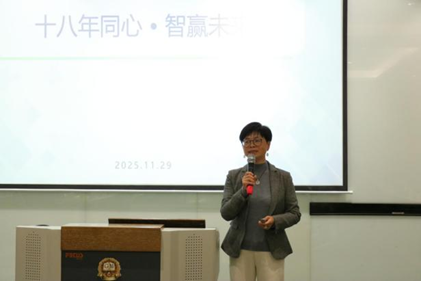
Ms. Zhu Panying, Party Secretary of Suzhou Gold Mantis Building Decoration Co., Ltd., warmly reviewed the 18-year partnership with Soochow University. She shared the outcomes achieved through this collaboration, touching on "original intentions, symbiotic achievements, transformational breakthroughs, and future planning." Ms. Zhu highlighted plans to deepen cooperation in targeted talent cultivation and technological breakthroughs in areas such as urban renewal and green architecture, envisioning more diverse and enriched collaborative prospects.
Mr. Zhang Tian, Dean of the Research Institute at Suzhou Yuanke Ecological Construction Group Co., Ltd., delivered a speech titled "Industry-Academia-Research Collaborative Innovation: The Path to Enterprise Transformation and Breakthroughs." Drawing on the company's evolution into a full-chain service provider for landscape engineering and its history of collaboration with universities, he emphasized that "research investment as the foundation and university-enterprise synergy as the wing" are essential for enterprises to navigate industry challenges and achieve steady development, providing a clear direction for future collaboration.
Ms. Tian Yuan, Deputy Secretary-General of the Organizing Committee of the International Solar Decathlon China, presented on "Empowering University-Enterprise Collaborative Innovation through International Competition Platforms." She proposed building a "university-enterprise-international resource" cooperation network through resource integration, offering new perspectives on creating innovative platforms for sustainable architecture research and education.
University-Enterprise Cooperation Symposium
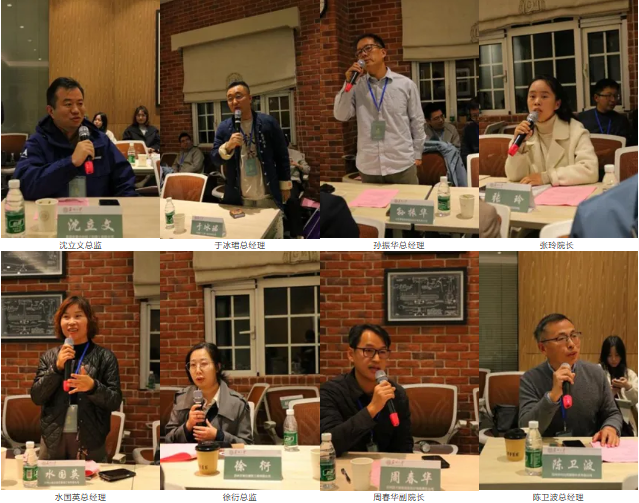
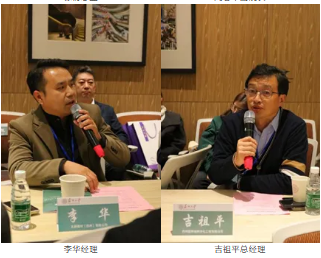
During the symposium, representatives from participating enterprises and faculty members engaged in in-depth discussions centered on the theme of "Disciplines Serving Urgent Industry Needs, and Industry Nurturing Disciplinary Development." Mr. Ji Cunhai, Party Committee Member and Deputy General Manager of Suzhou Landscape Architecture Investment and Development Group Co., Ltd., led the discussion, reviewing over a decade of collaboration with the school, including joint graduate workstations and engineering technology centers. He expressed interest in deepening cooperation in areas such as industry standard development and enterprise transformation guidance.
Mr. Chen Keheng, Chairman of Jiangsu CNGR Optical Materials Co., Ltd., highlighted challenges such as the mismatch between talent supply and demand in university-enterprise collaboration. He suggested achieving efficient integration of enterprises' market advantages and universities' talent resources through two-way interaction and joint laboratories. Subsequently, several other enterprise representatives shared their cooperation experiences with the school and envisioned deeper future collaborations.
This forum served as a significant testament to the 20 years of educational achievements of the Gold Mantis School of Architecture at Soochow University and represented a crucial step in the school's commitment to deepening industry-education integration and empowering industry development. Taking this forum as an opportunity, the school will continue to strengthen linkages with its partner enterprises, striving for higher-quality collaboration in Party co-construction, talent cultivation, scientific research innovation, and achievement transformation. Together with its diverse partners, the school looks forward to jointly charting a bright blueprint for sustainable development.