
 中文版
中文版 Soochow University
 Search
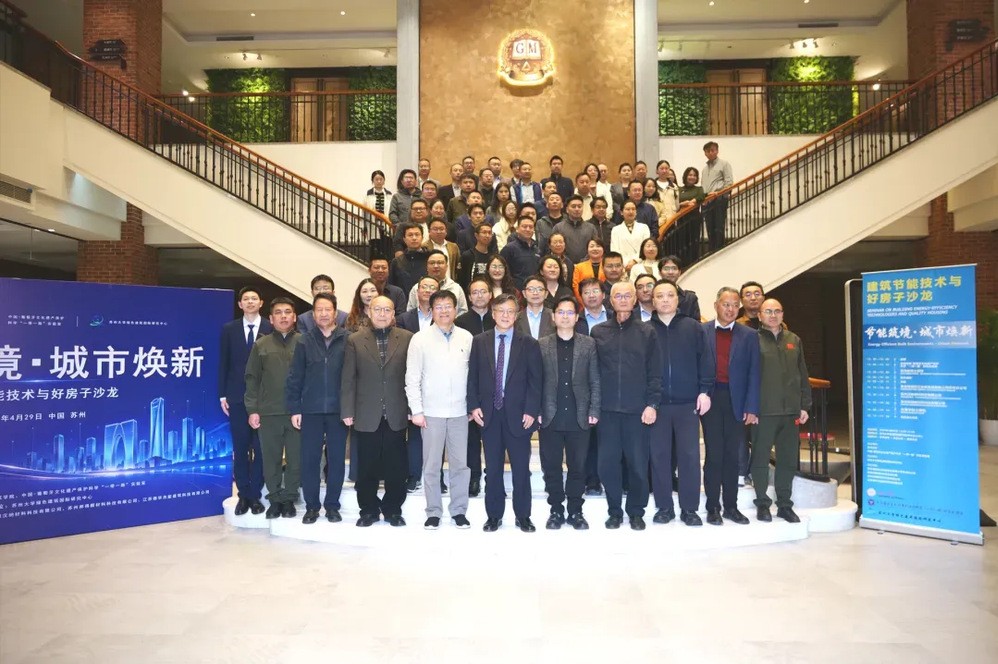 Group Photo
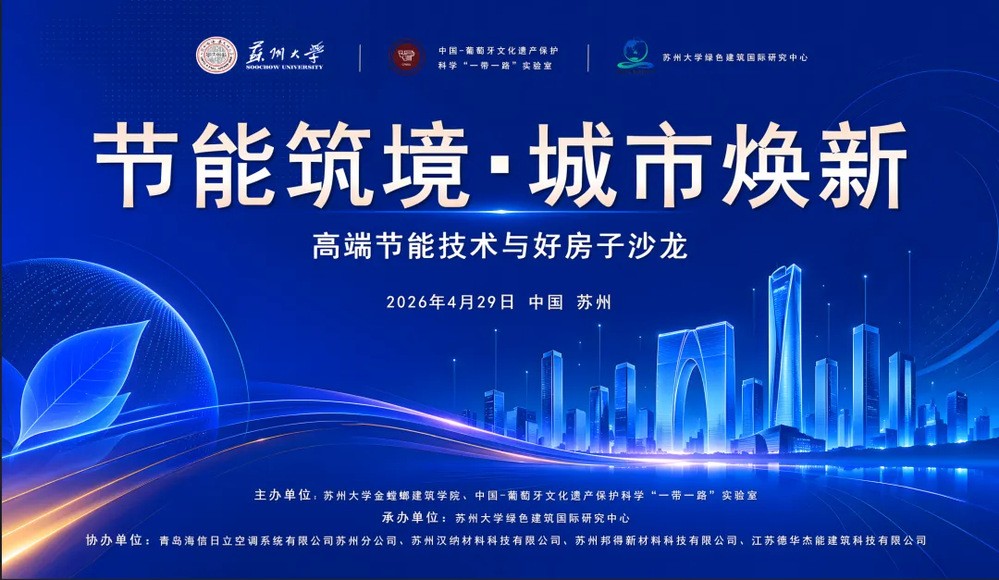 Poster
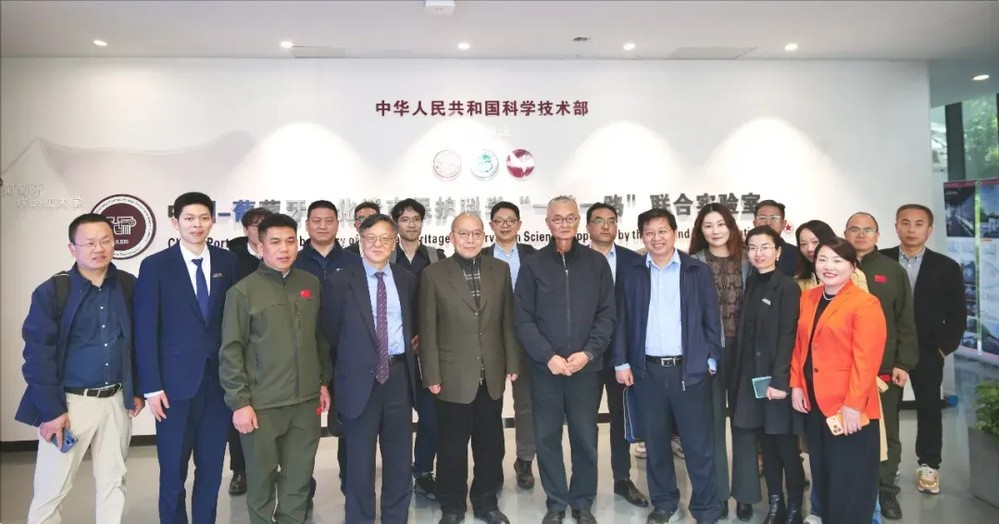 Visit the Joint Laboratory
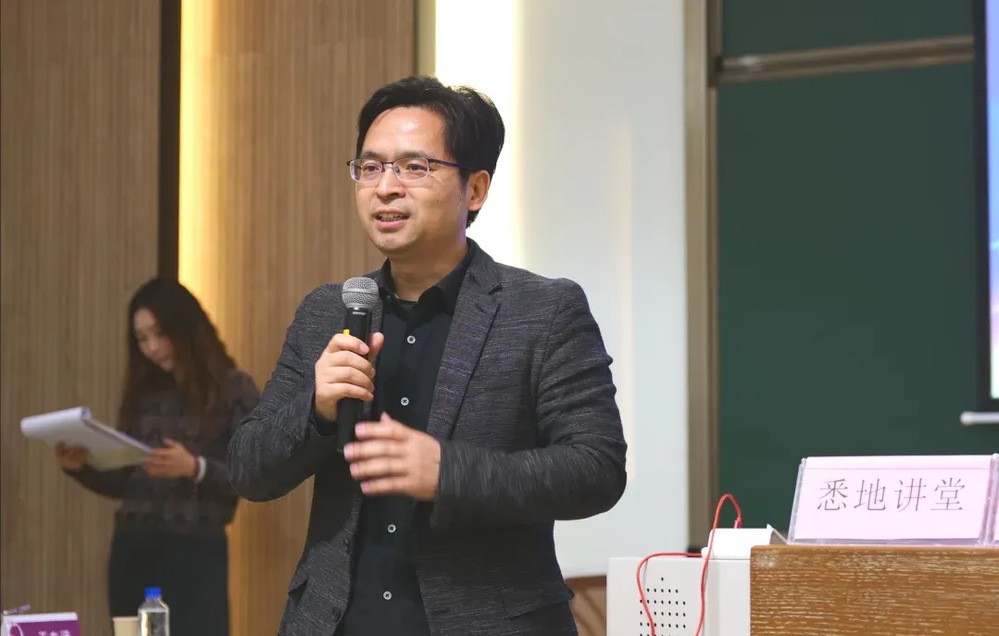 Qian Caiyun
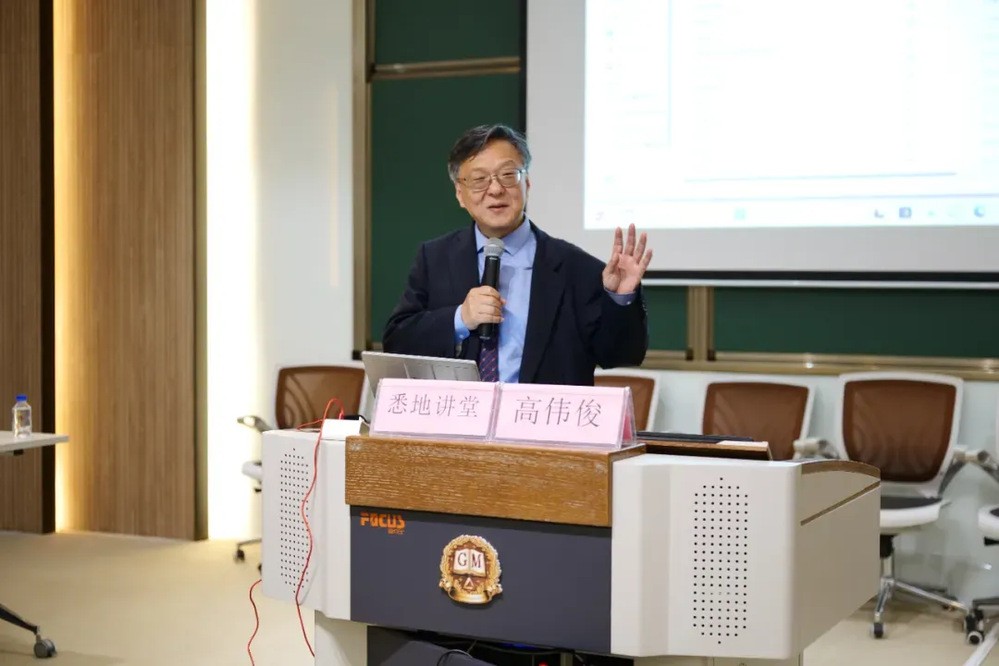 Gao Weijun
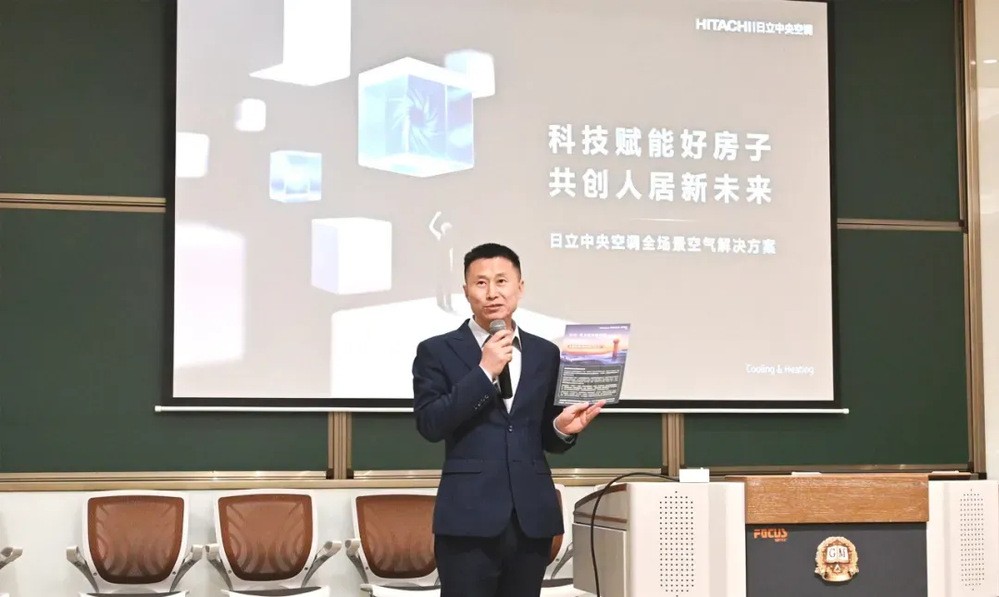 Liu Guiting
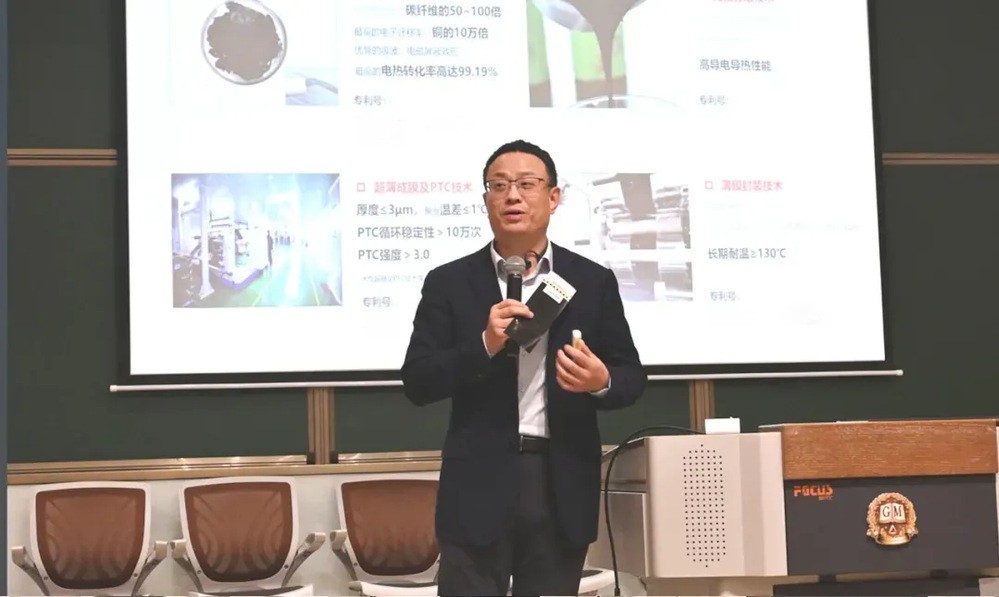 Chen Xinjiang
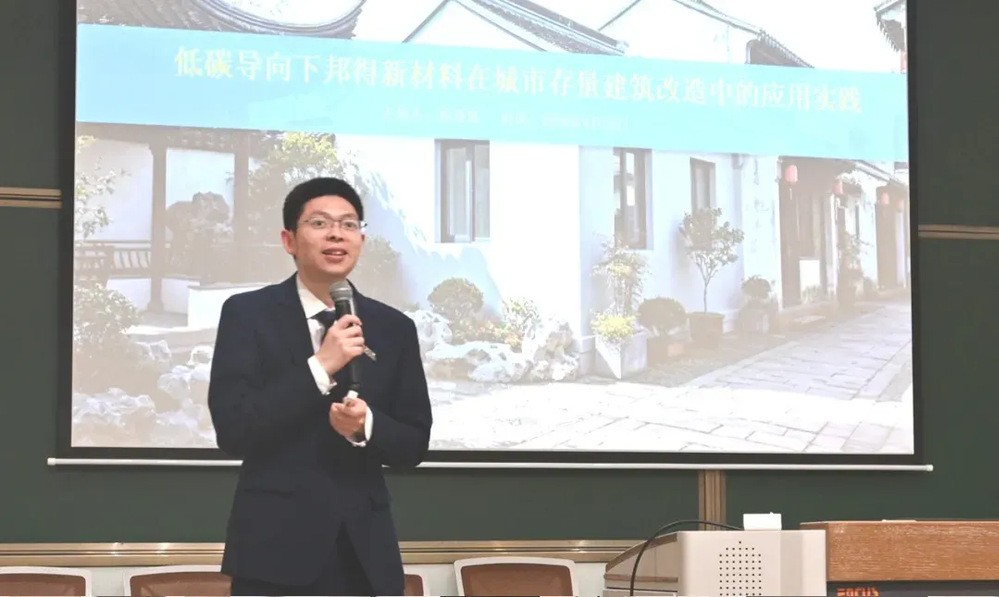 Shuai Yubin
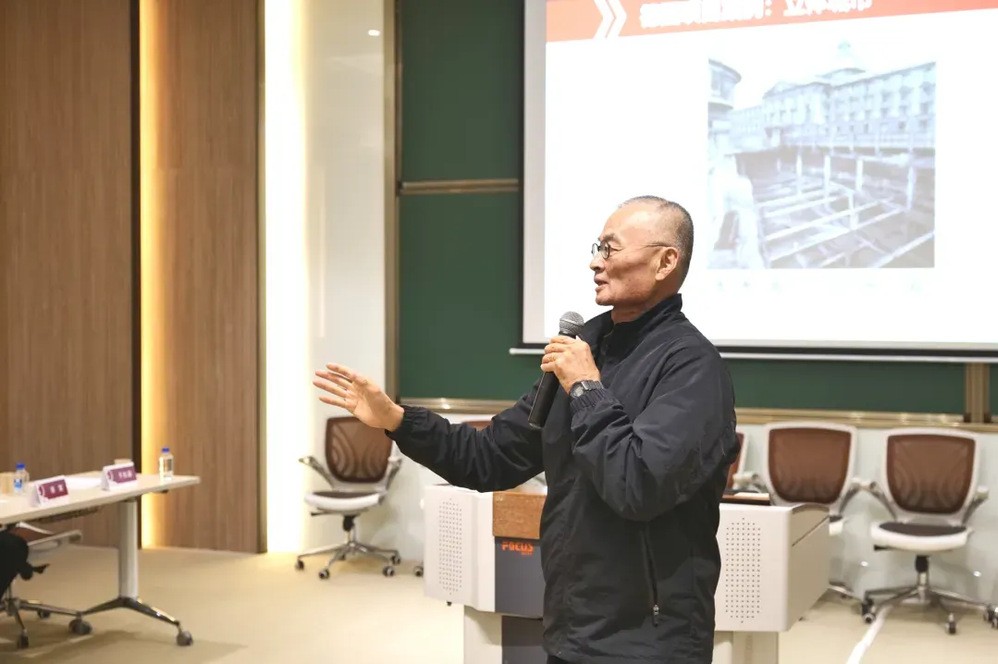 Shen Jinghua
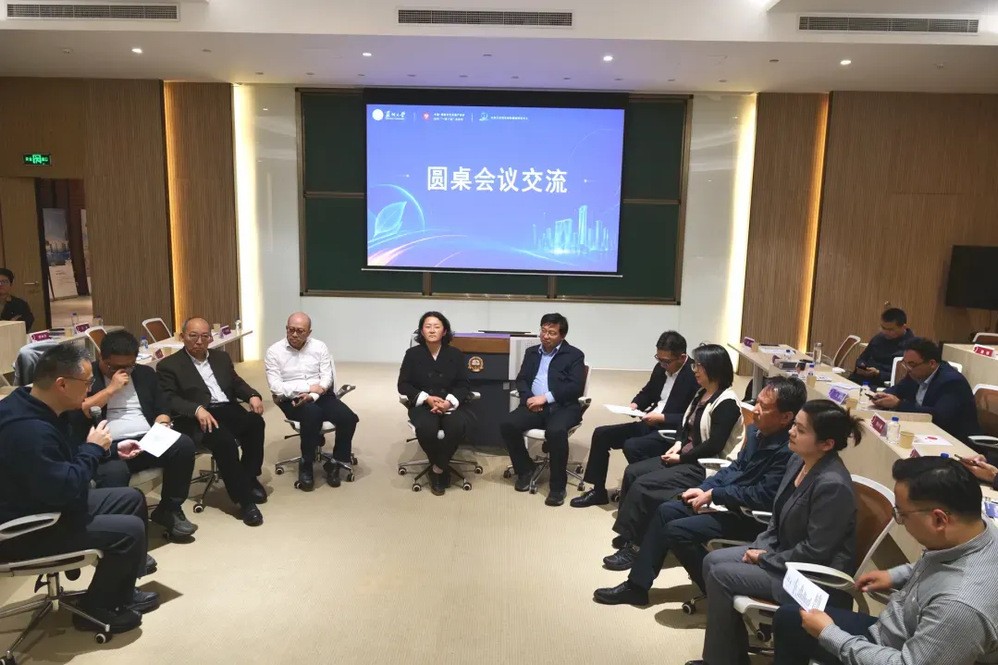 Round-Table Meeting
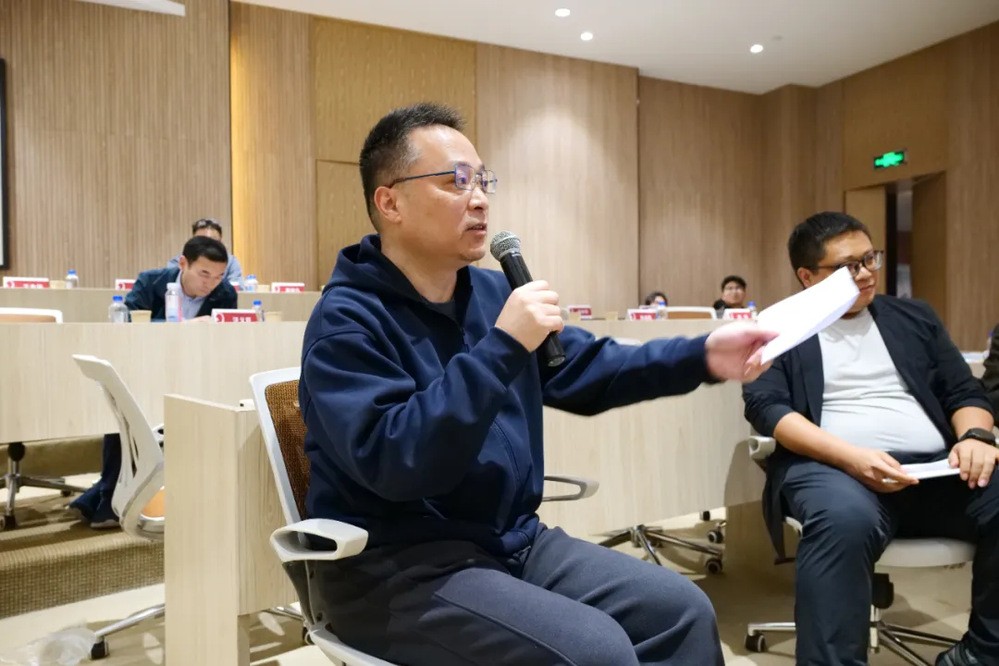 Wu Yao
On April 29, the "Energy Efficiency for a Sustainable Future · Urban Renewal – High-End Energy-Saving Technologies and Quality Housing Salon" was successfully held at Soochow University. The event was jointly organized by the Golden Mantis School of Architecture at Soochow University and the China-Portugal Joint Laboratory of Cultural Heritage Conservation Science under the Belt and Road Initiative (hereinafter referred to as the "Joint Lab"). Focusing on high-quality residential construction in the context of urban renewal, the salon aimed to implement the national directive of deepening industry-university-research-application integration. Leveraging the international collaborative innovation advantages of the Joint Lab, the event explored pathways for translating cutting-edge building energy-saving technologies into tangible outcomes in the "stock era."
Participants first toured the Joint Lab’s research facilities. As one of the 14 types of national-level innovation platforms designated by the Central Science and Technology Commission, the lab is the only national-level joint laboratory in the field of architectural cultural heritage protection in China. Associate Professor Wu Jie, Assistant to the Lab Director, elaborated on the UN’s understanding of architectural cultural heritage: all buildings of historical, artistic, scientific, or social value, including valuable modern structures. "Valuable buildings built by our predecessors are the heritage left to us; the green, low-carbon 'quality housing' we build today is the legacy we leave for future generations." Guided by this vision, the Joint Lab focuses on urban renewal, green buildings, and rural revitalization, serving industrial "going global" and Belt and Road initiatives through university-local government and university-enterprise collaborations.
Professor Qian Caiyun, Dean of the Golden Mantis School of Architecture, stated that the school will leverage its disciplinary strengths and the Joint Lab’s national platform to bridge research and industry, promoting large-scale application of energy-saving technologies in high-quality housing to support urban renewal and the "dual carbon" strategy.
Professor Gao Weijun, Foreign Academician of the Engineering Academy of Japan, noted in his keynote that building energy efficiency has entered a new phase integrating AI, advanced materials, and new energy systems, calling for a shift from passive reduction to active generation, achieving both energy efficiency and health improvements.
Company representatives shared technological practices: Hisense Hitachi introduced the "Whole-House Sensory Experience 3.0" integrated air solution; Hanna Materials presented the NABO Hanna floor heating system based on carbon nanotube technology; and Bangde New Material highlighted low-carbon coated metal panels enabling waste-free "ultra-fast construction" in prefabricated renovations.
Professor Shen Jinghua, Academician of the European Academy of Sciences and Arts, analyzed the industry's transition from incremental to stock development, proposing market-driven approaches such as underground space development and "building energy labels" to enhance the value of stock assets, charting a path for sustainable urban renewal and "quality housing."
Moderated by Professor Wu Yao, Head of the Joint Lab, a roundtable discussion reached a consensus on building a closed-loop ecosystem of government guidance, industry drive, academic support, research translation, and user feedback to promote green technologies in high-quality housing.
The salon marked a key practice of the Joint Lab in implementing national strategies and empowering high-quality urban renewal. Moving forward, the Joint Lab will continue to deepen industry-university-research-application integration, driven by technological innovation and cultural heritage, contributing "Soochow University strength" and "Belt and Road wisdom" to the industry's transformation and the development of "quality housing."