
 中文版
中文版 Soochow University
 Search
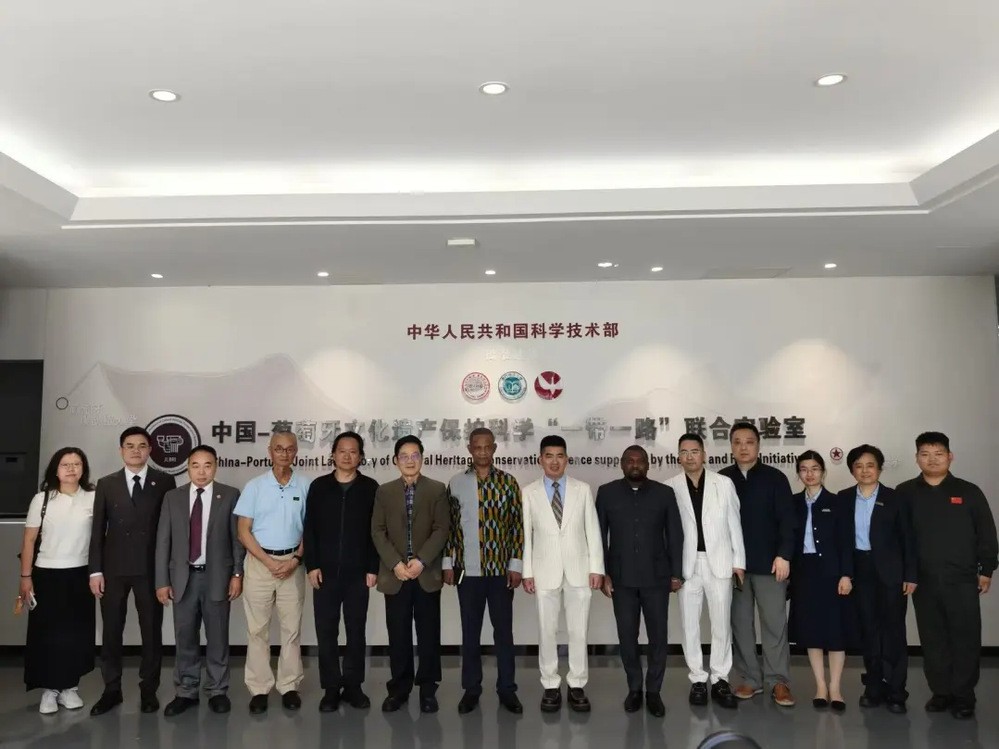 Group Photo 1/11
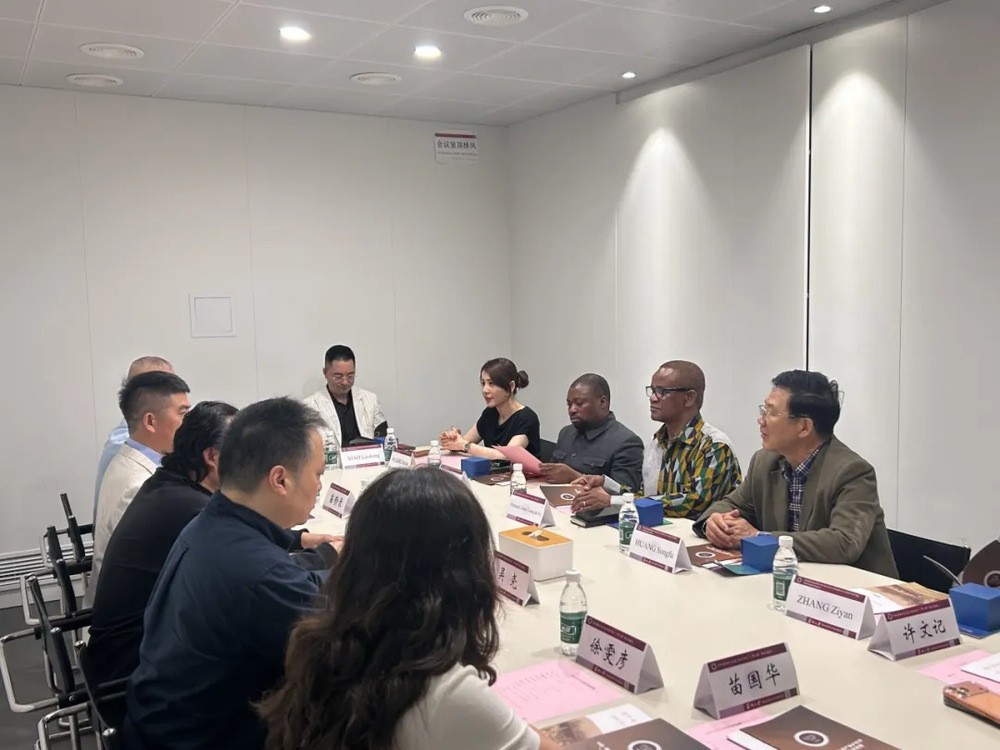 At the Meeting 2/11
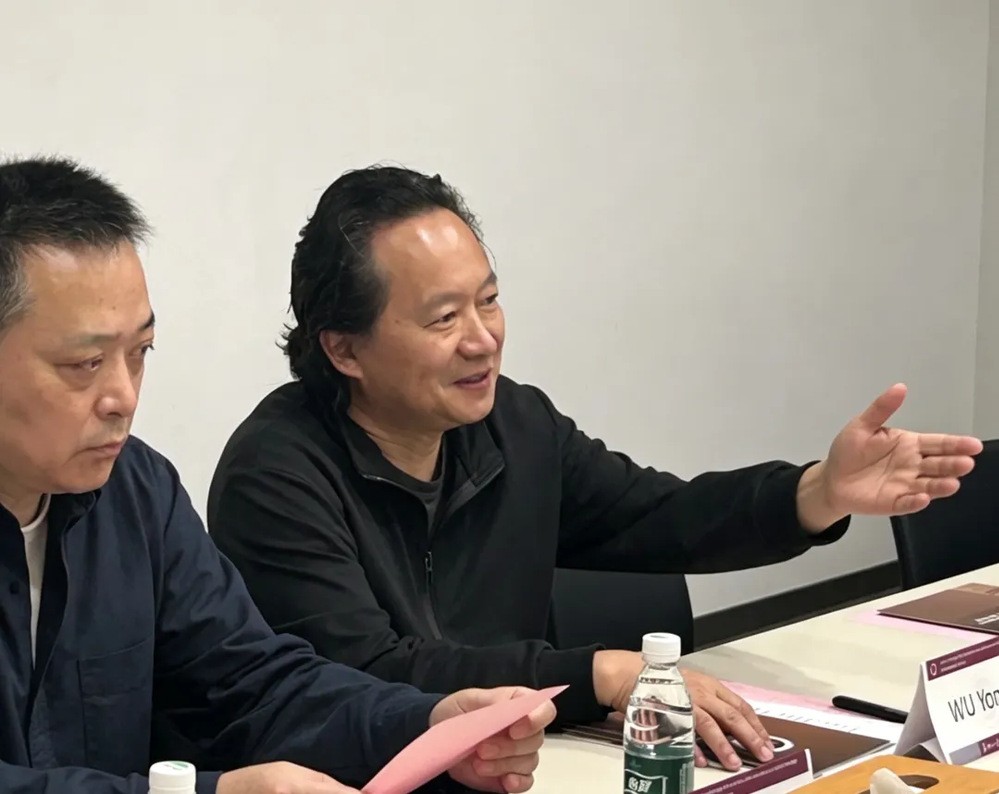 Wu Yongfa Speaking 3/11
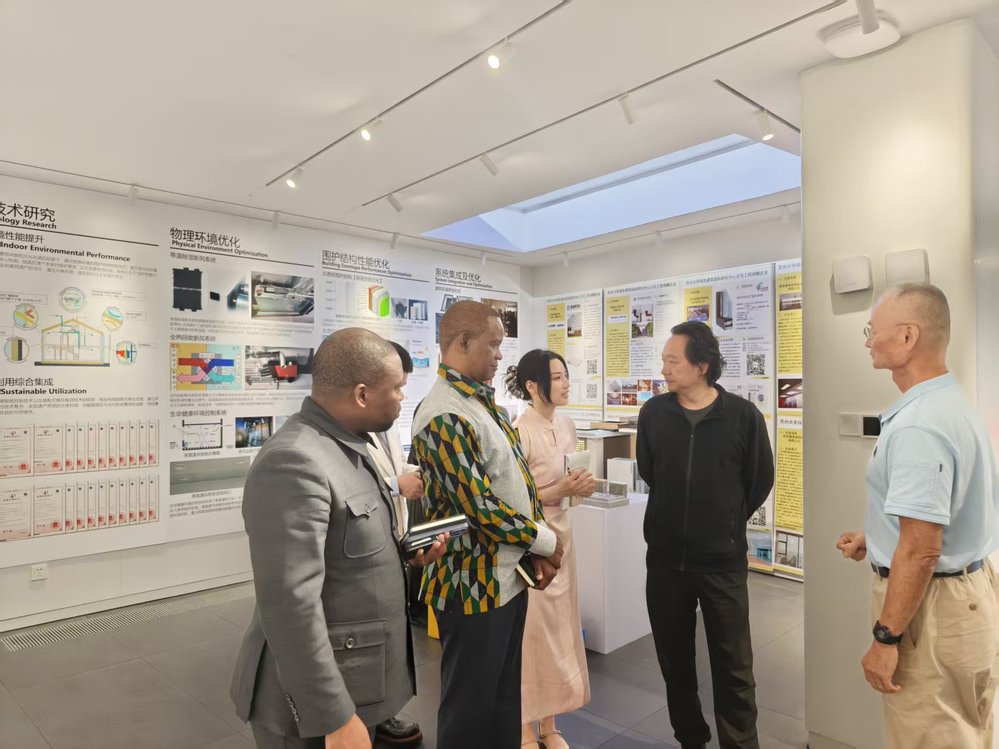 Shen Jinghua Guides the Delegation through the Green Building Center 4/11
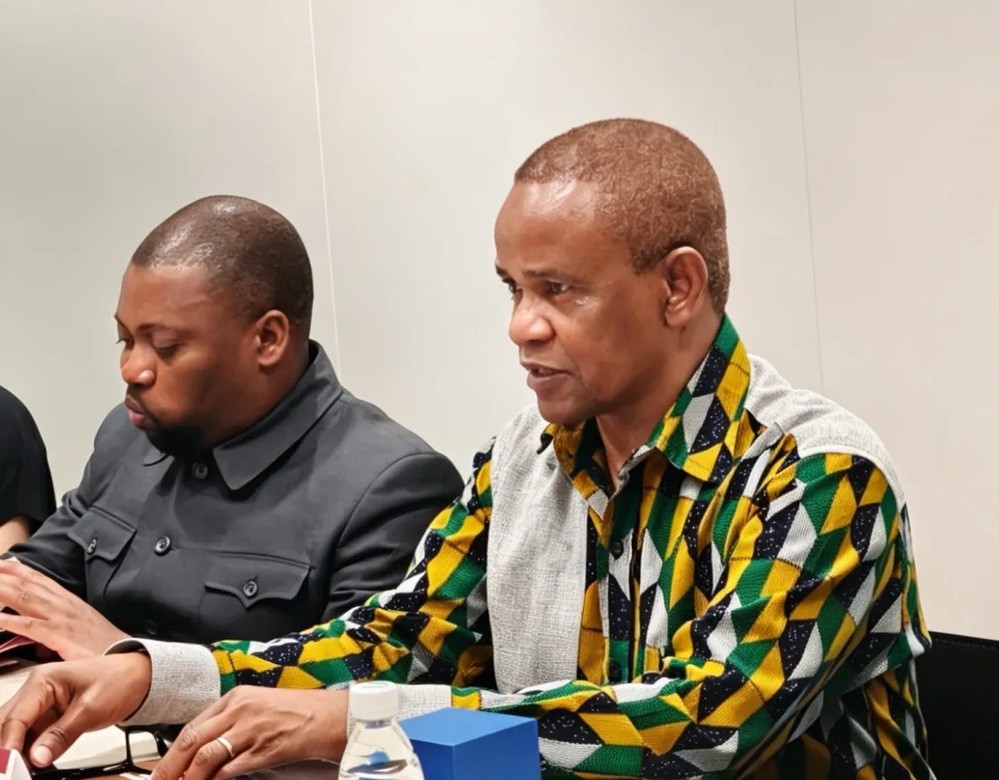 H.E. Mr. Manuel delivers remarks 5/11
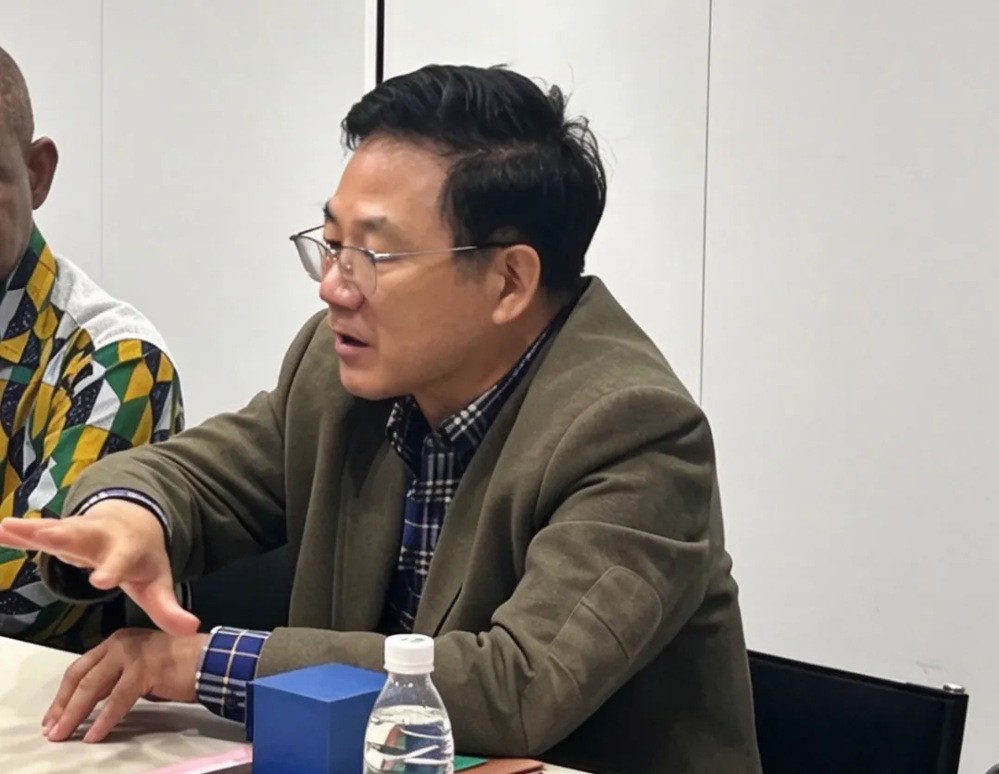 Former Ambassador Huang Songfu Speaking 6/11
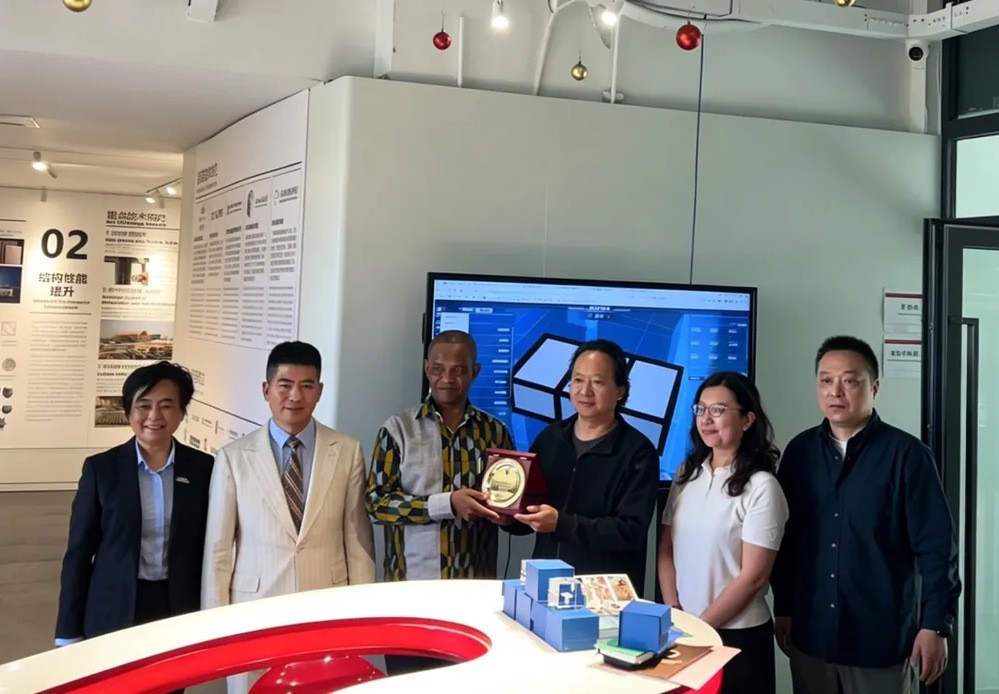 Wu Yongfa presents a souvenir to the Ambassador 7/11
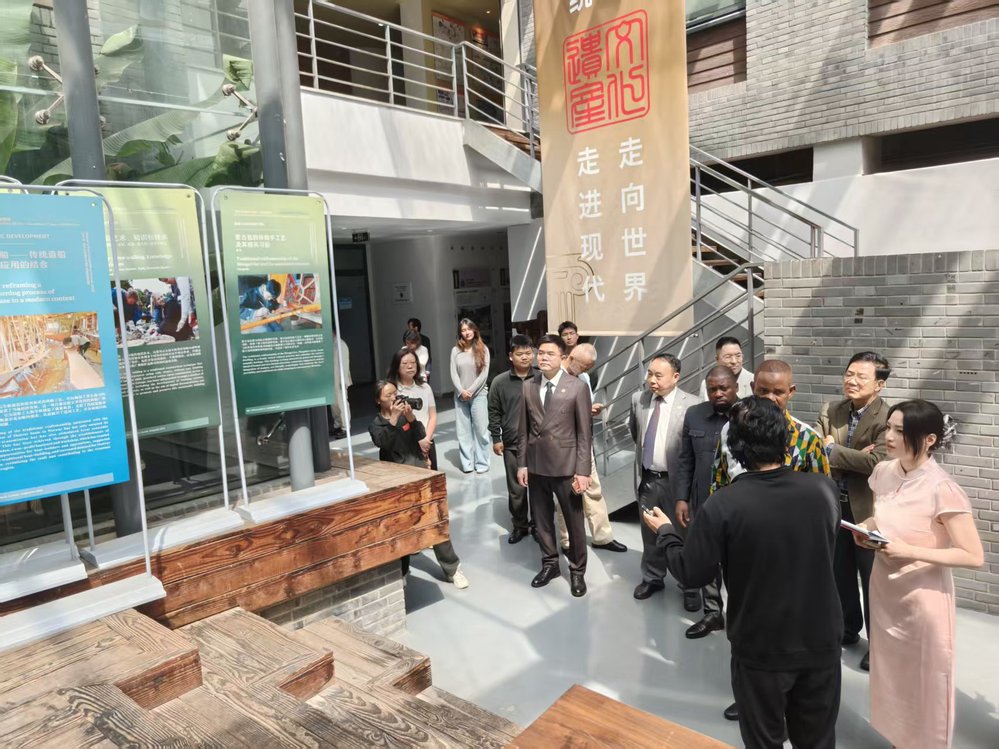 Visiting 8/11
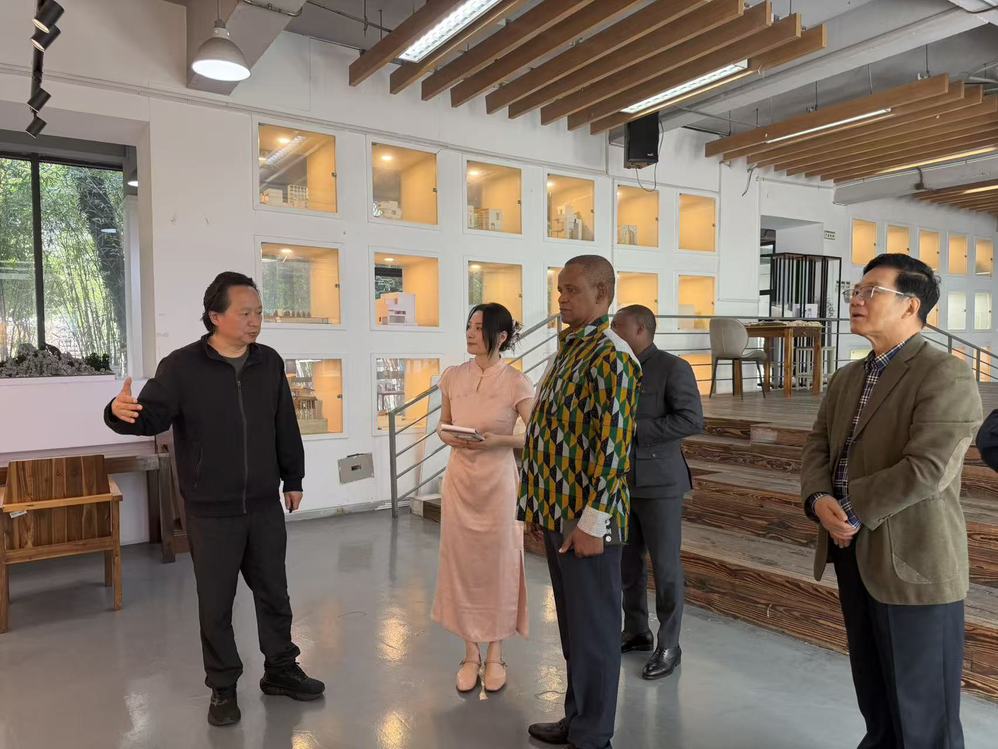 Visiting 9/11
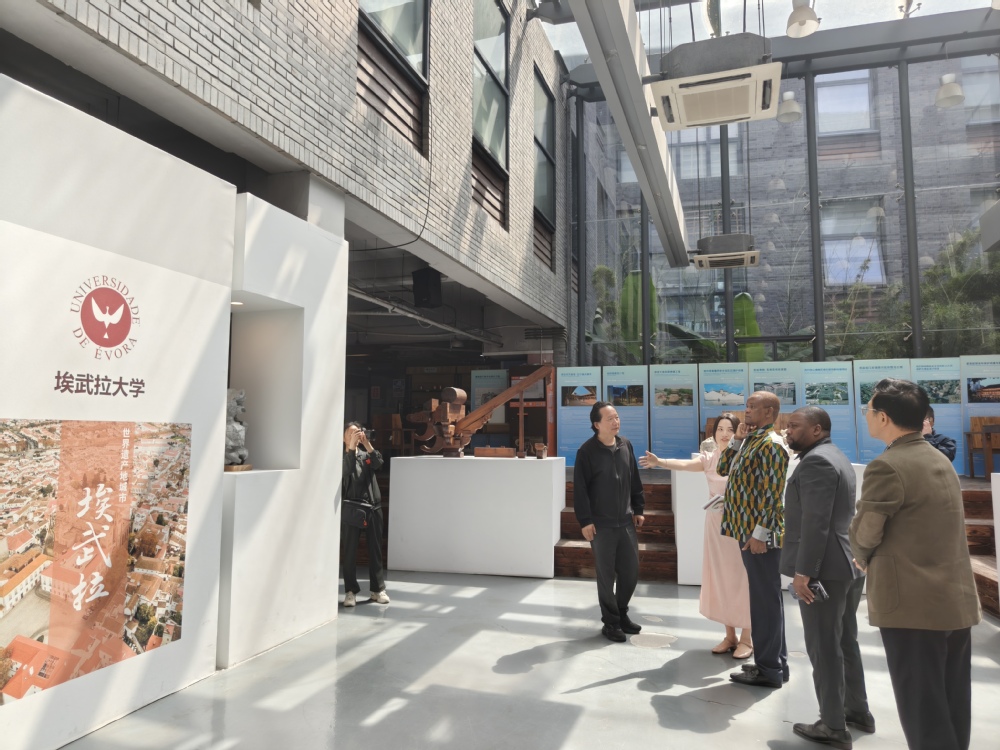 Visiting 10/11
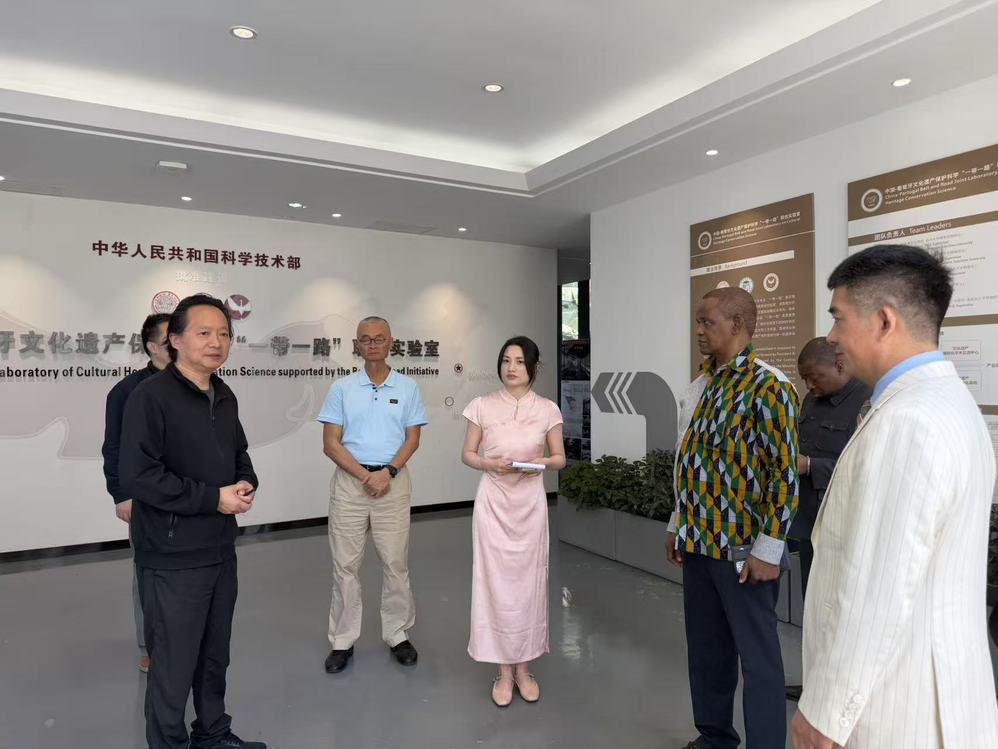 Visiting 11/11
On May 17, 2026, H.E. Mr. Manuel José Gonçalves, Ambassador of the Republic of Mozambique to China, along with First Secretary Marco, former Chinese Ambassador to Mozambique and Portugal Huang Songfu, and Mr. Zhang Ziyan, President of the China-Africa Cultural Promotion Association, visited the Joint Laboratory, accompanied by Mr. Miao Zhenlu, President of Bangde Group. The delegation was received by Ms. Xu Wenyan, Deputy Director of the International Cooperation and Exchange Office of Soochow University; Professor Wu Yongfa, Director of the Joint Laboratory; Professor Wu Yao, Deputy Director of the Joint Laboratory; and Professor Shen Jinghua, Academician of the European Academy of Sciences and Arts and Chief Scientist of the Joint Laboratory. The two sides held in-depth discussions on bilateral cooperation under the Belt and Road Initiative, the development of the Joint Laboratory, and international collaborative innovation.
Ms. Xu Wenyan extended a warm welcome to Ambassador Manuel and his delegation. She noted that Mozambique is not only an important partner in Belt and Road cooperation but also a key node in China-Africa collaboration. She expressed the hope that, leveraging the Joint Laboratory as a national-level platform, Soochow University would deepen cooperation with Mozambique and other Portuguese-speaking countries. As a founding member of the Jiangsu-Africa University Cooperation Alliance, the university eagerly looks forward to incorporating Mozambique into the alliance framework to achieve higher-level collaborative innovation and resource sharing.
Professor Wu Yongfa stated that the Joint Laboratory, as a platform for scientific and technological innovation cooperation between China and Portugal, has been committed to cultural heritage conservation and international collaborative innovation since its establishment. Mozambique, as an important Portuguese-speaking country, aligns closely with the laboratory's development orientation and cooperation network. He expressed hope that, through the bridging role of the Mozambican Embassy in China and the China-Africa Cultural Promotion Association, the deep foundation of China-Portugal cooperation could be extended to China-Mozambique bilateral relations, deepening industry-university-research collaboration and carrying out more substantive cooperation in cultural heritage conservation.
Drawing on his years of transnational research experience, Professor Shen Jinghua pointed out that German passive house technology has been successfully localized in China. This "site-specific" green and low-carbon technological pathway is also highly suitable for the development needs of African countries. He noted that the technology is not only energy-efficient and environmentally friendly but also affordable, enabling African countries to achieve green and sustainable development at low cost, thus offering a practical solution for China-Africa cooperation in the field of green building.
Ambassador Manuel spoke highly of the achievements of the Joint Laboratory. He noted that Mozambique is home to UNESCO World Cultural Heritage sites such as the Island of Mozambique, as well as important natural heritage sites, creating an urgent need and broad space for cooperation in heritage conservation. As a Portuguese-speaking country, Mozambique is naturally aligned with the China-Portuguese cooperation attribute of the Joint Laboratory. He expressed hope that, using the Joint Laboratory as a bridge, educational and research institutions from China, Mozambique, and Portugal would work together to develop systematic conservation solutions for Mozambique's world heritage sites, taking substantial cooperative steps forward in the fields of culture, architecture, and sustainable development.
Former Ambassador Huang Songfu and President Zhang Ziyan also delivered remarks, expressing their shared hope to further strengthen cultural and academic exchanges between China and Africa, deepen multilateral collaboration through platform advantages, and achieve mutual benefit and win-win outcomes. A representative from Bangde Group also shared the vision of promoting international industry-university-research cooperation.
During the visit, Ambassador Manuel and his delegation toured the Joint Laboratory's industry-university-research platforms, with a focus on the International Research Center for Green Buildings, where they received detailed briefings on the laboratory's development overview and achievements in architectural heritage conservation. The two sides exchanged views on topics including the conservation and utilization of architectural heritage, the development of new materials for heritage conservation, and the exchange of young researchers, laying a solid foundation for future cooperation.
Before the conclusion of the visit, Professor Wu Yongfa, on behalf of the university, presented Ambassador Manuel with a Soochow University souvenir as a gesture of friendship.