
 中文版
 Soochow University
 Search
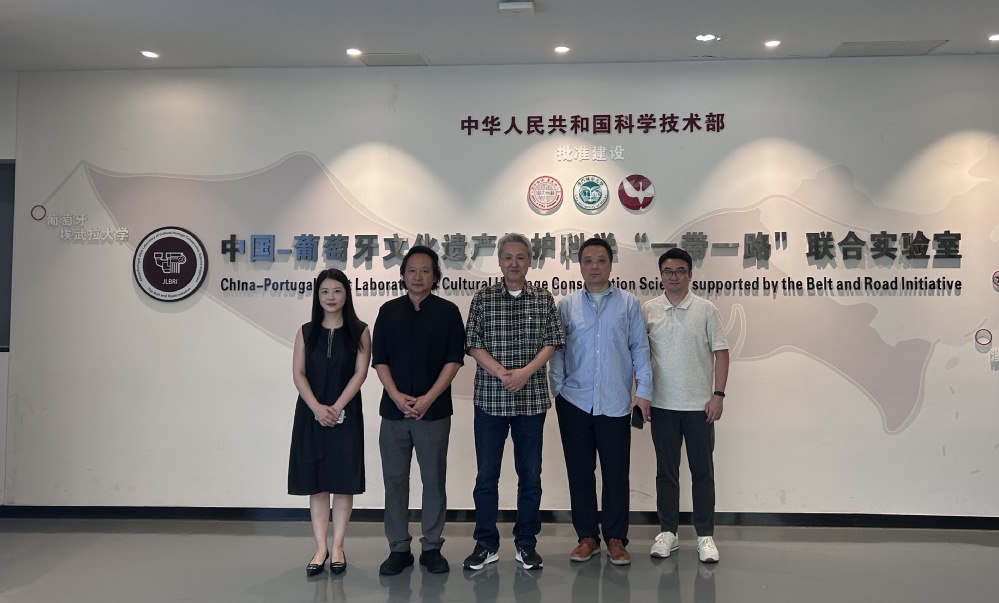
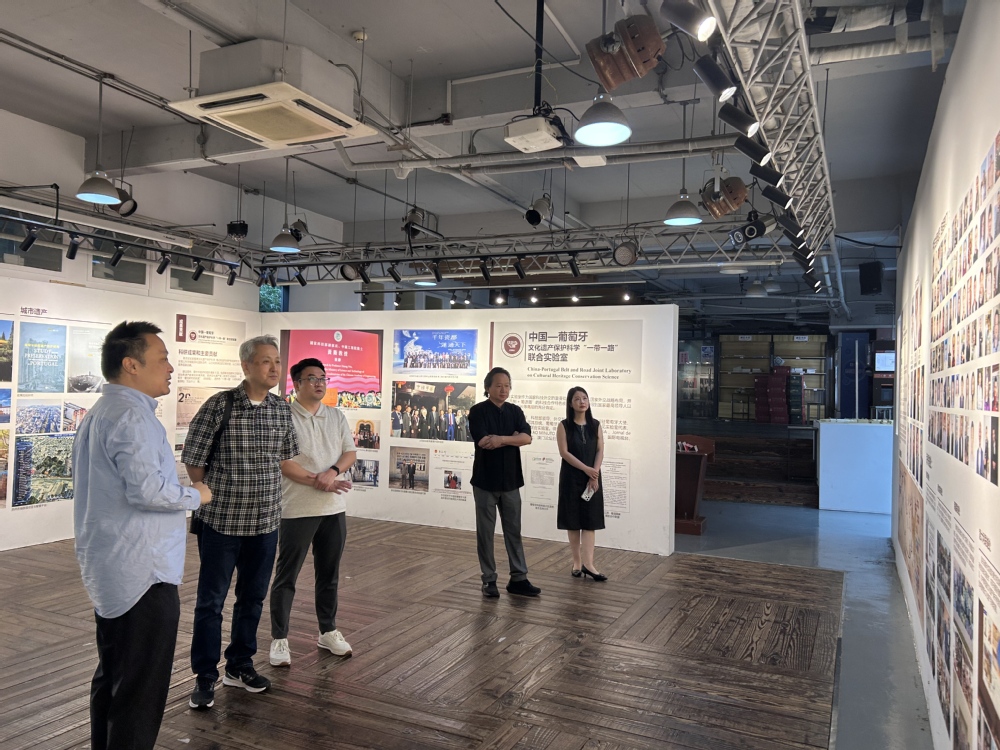
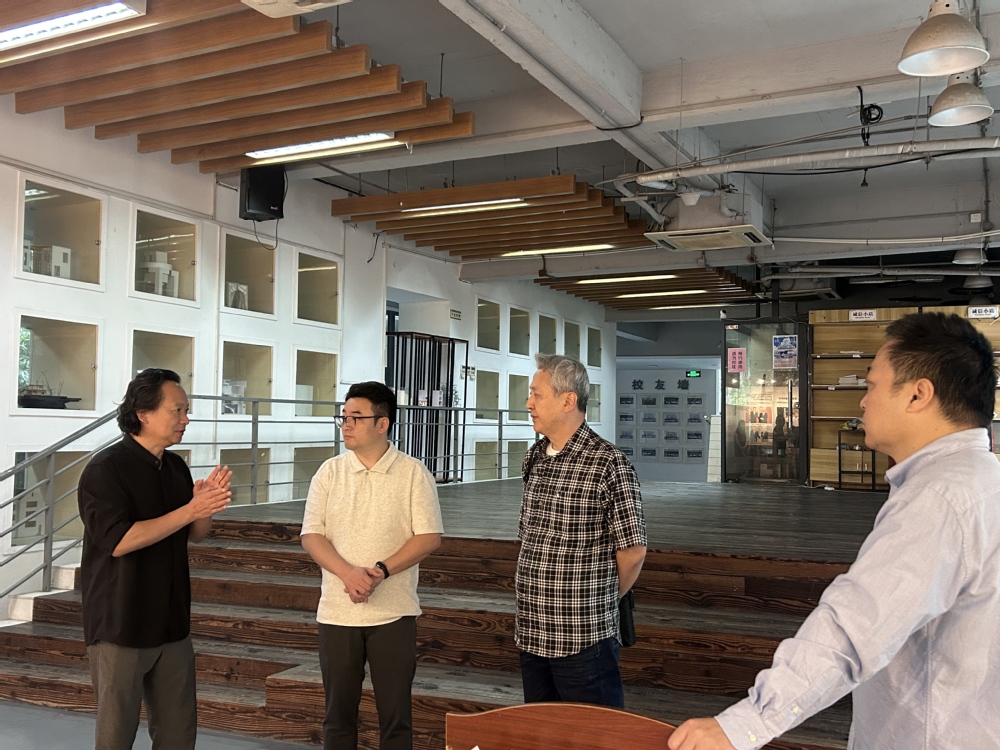
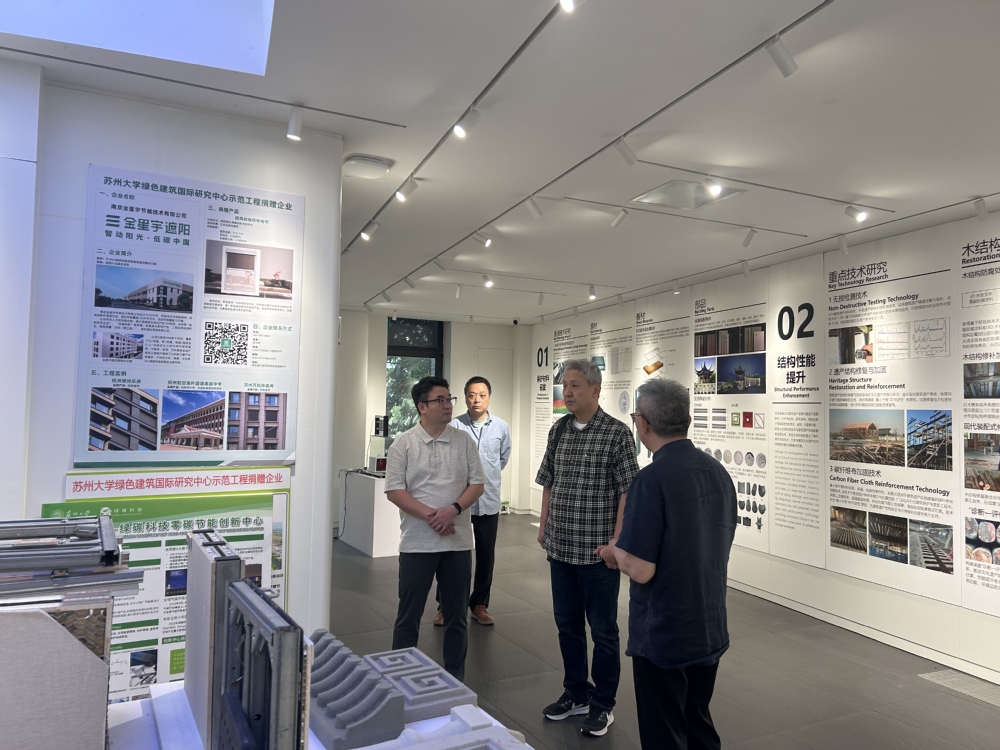
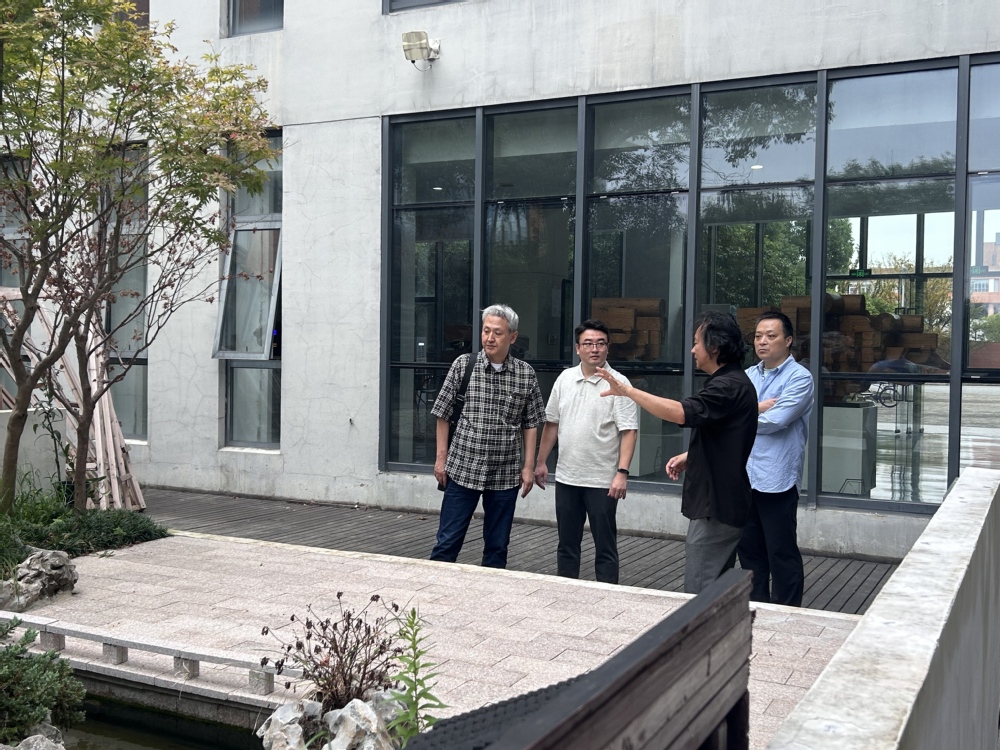
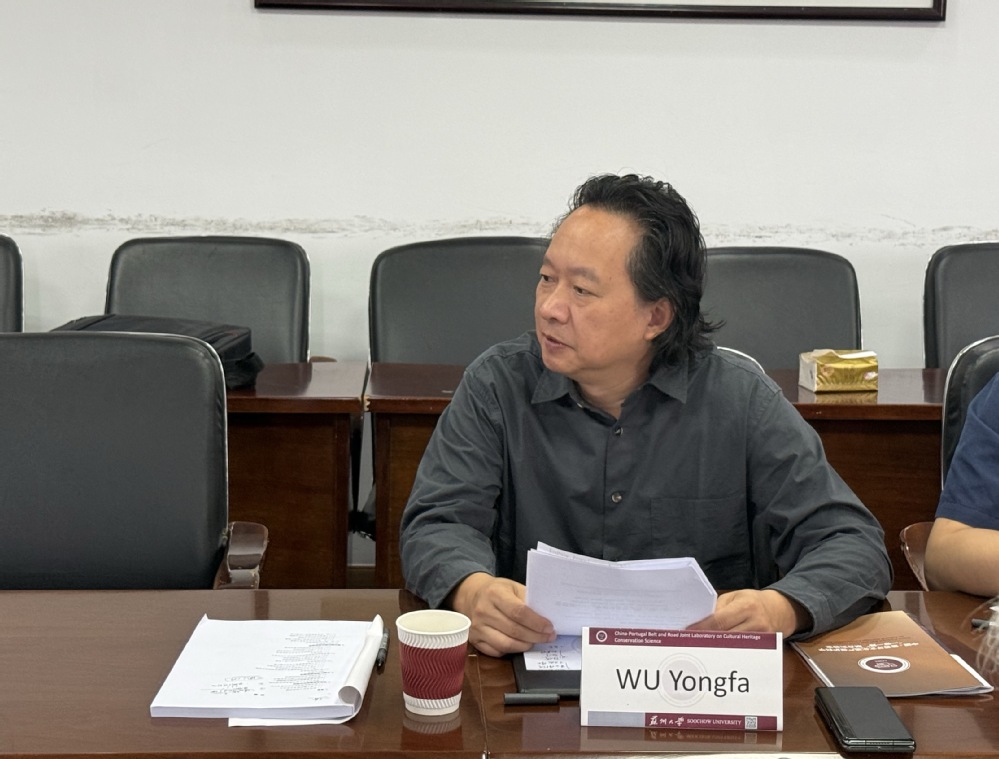
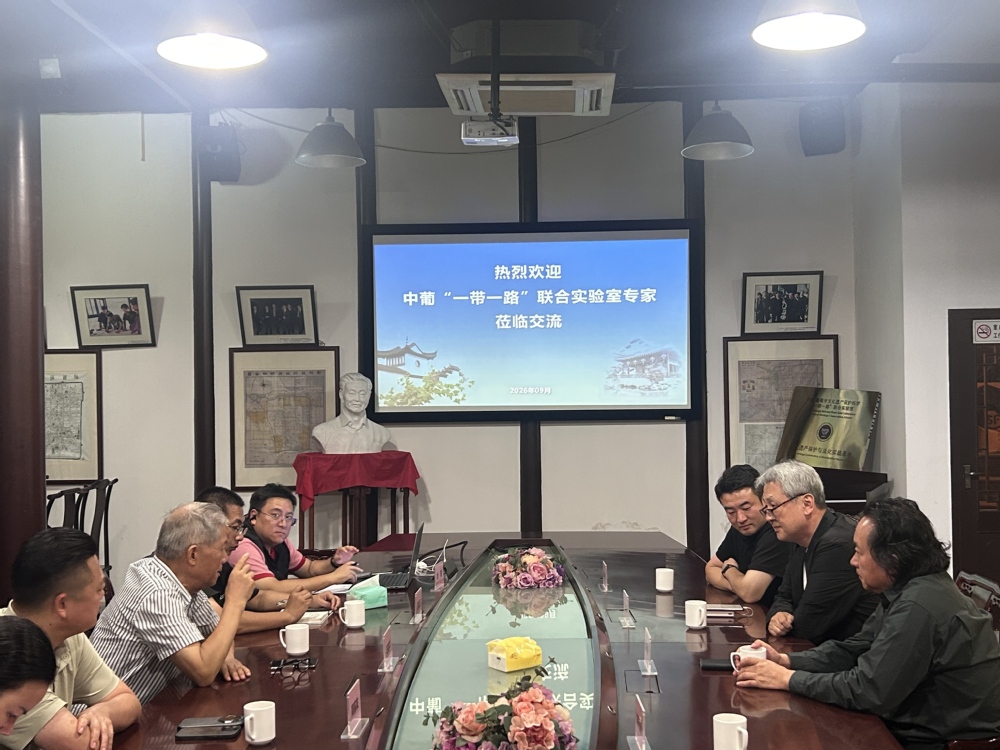
To deepen industry-university-research collaborative cooperation in cultural heritage conservation and advance academic development of cultural heritage as well as innovative adaptive reuse of historic buildings, Professor Lee Keonha, Director of the Korean Global Office of the Joint Laboratory, paid a three-day in-depth visit and research exchange to the Joint Laboratory from September 28 to 30. Professor Wu Yao, Director of the Joint Laboratory, and Professor Wu Yongfa, former Director, received and accompanied him. A series of activities including thematic meetings, field investigations and panel discussions were held, focusing on core topics such as scientific research innovation for cultural heritage conservation, compilation and publication of book series, and adaptive reuse practices of ancient cities and historic buildings, building a solid bridge for future heritage conservation cooperation.
Upon arrival in Suzhou, Professor Lee first visited the Joint Laboratory’s achievement exhibition area and key laboratory zones. Director Wu Yao presented the laboratory’s core achievements in recent years in cultural heritage conservation, heritage restoration technologies, and digital heritage research, as well as its future development plan and research innovation priorities. Professor Lee expressed his commitment to advancing bilateral cultural heritage conservation cooperation and pledged to give full play to the bridging role of the Korean Global Office. Drawing on his decades-long research experience in traditional building conservation, he put forward targeted suggestions on cross-border collaboration, academic exchange and joint project development, bringing new ideas for the international development of the Joint Laboratory. The two sides conducted in-depth discussions on the laboratory’s current operational mechanism, priorities of heritage conservation work and follow-up tasks of the Korean Global Office.
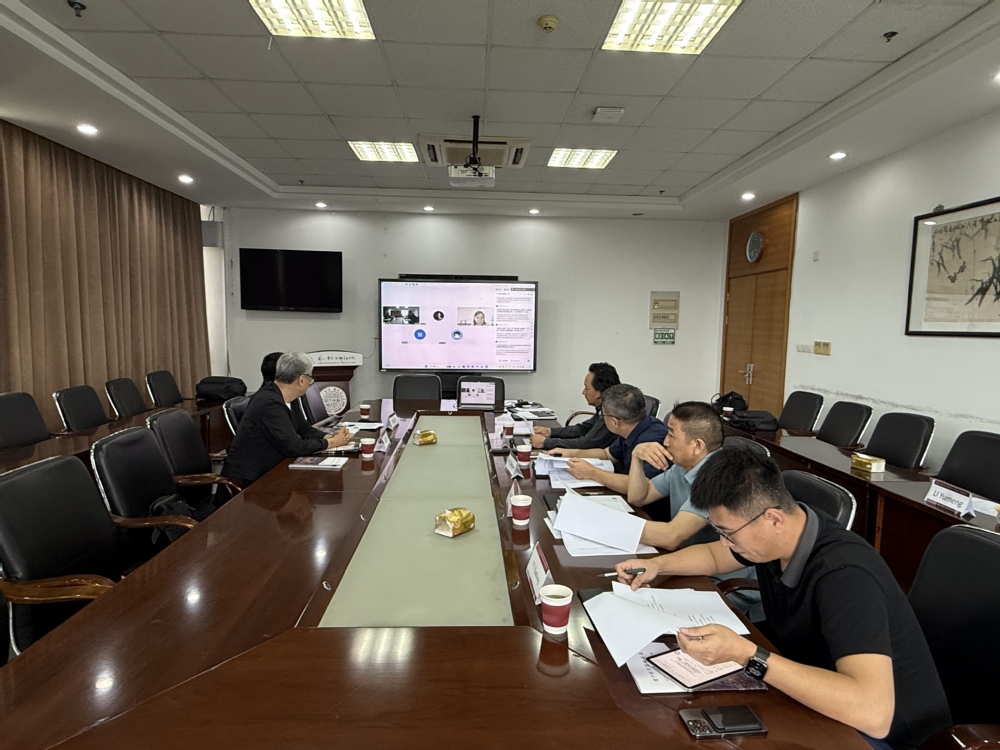
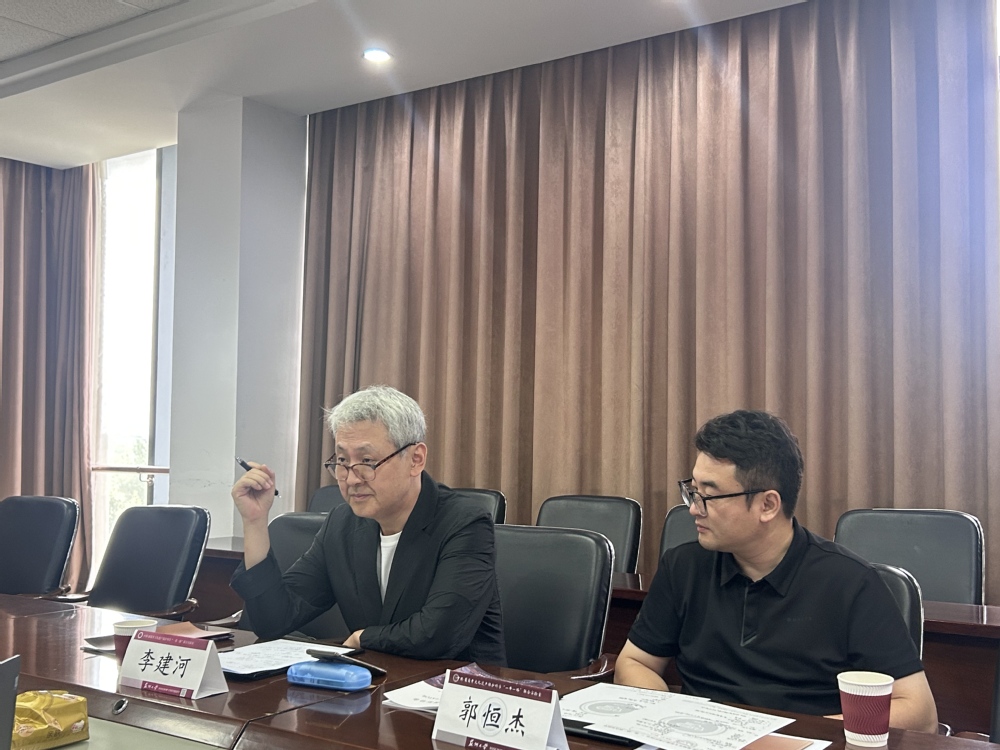
On the following day, taking the opportunity of Professor Lee, author of the Korea Volume of the Belt and Road Heritage Book Series, visiting Suzhou, the Joint Laboratory convened a special coordination meeting for the Belt and Road Heritage Book Series (Korea Volume). As a critical session after multiple rounds of coordination for the book series, the meeting aimed to refine manuscript content, unify compilation standards and align publication workflows to fully guarantee manuscript quality and publication schedule.
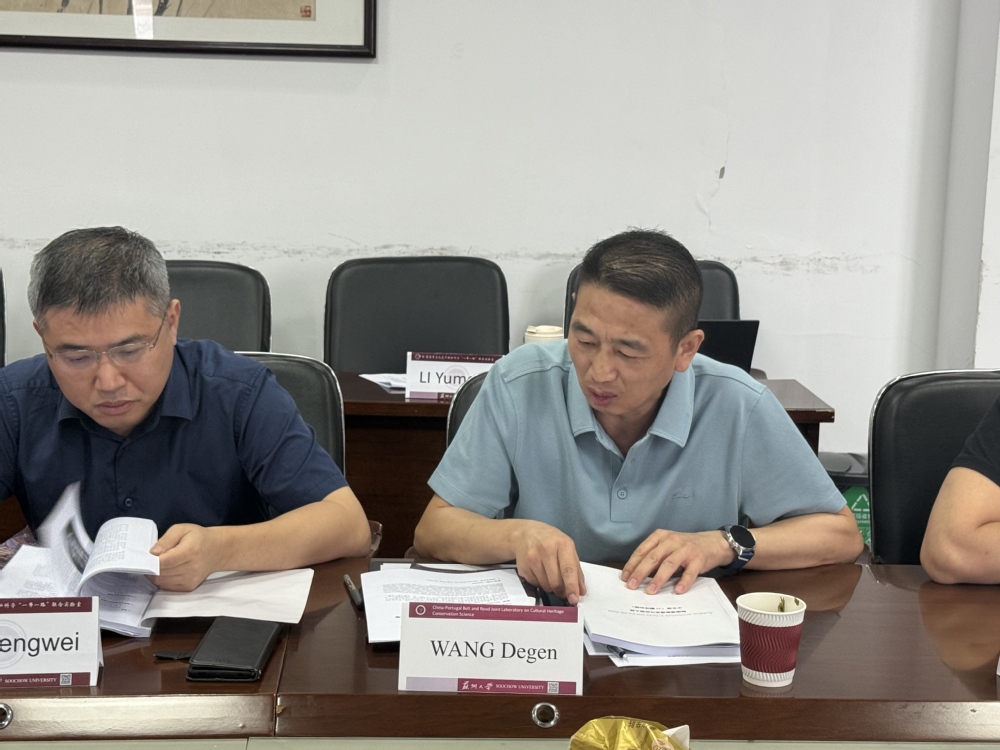
The meeting brought together the chief editor, associate editors, industry experts and representatives from the publishing house. Vice Dean Xia Zhengwei, Professor Wang Degen and other experts attended in person and offered professional advice. Participants engaged in meticulous discussion and revision on details of the Korea Volume, including title formulation, framework design, bilingual translation and image-text ratio. The meeting effectively addressed key challenges in manuscript compilation, further enhancing the standardization, professionalism and communicative value of the series and laying a solid foundation for its high-quality publication and release.
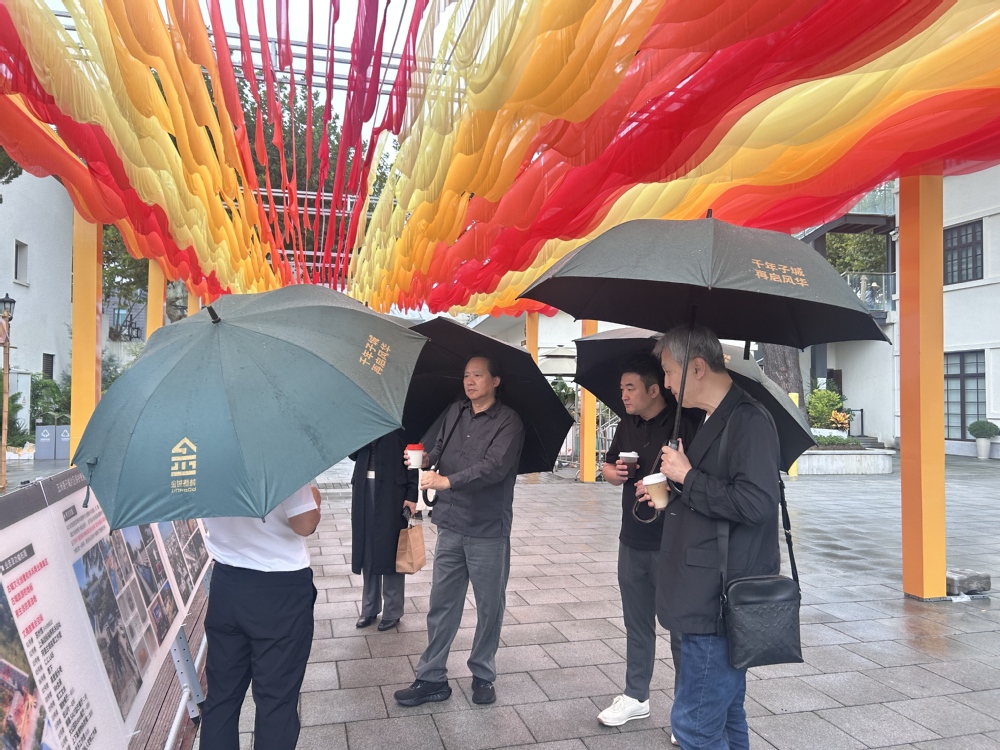
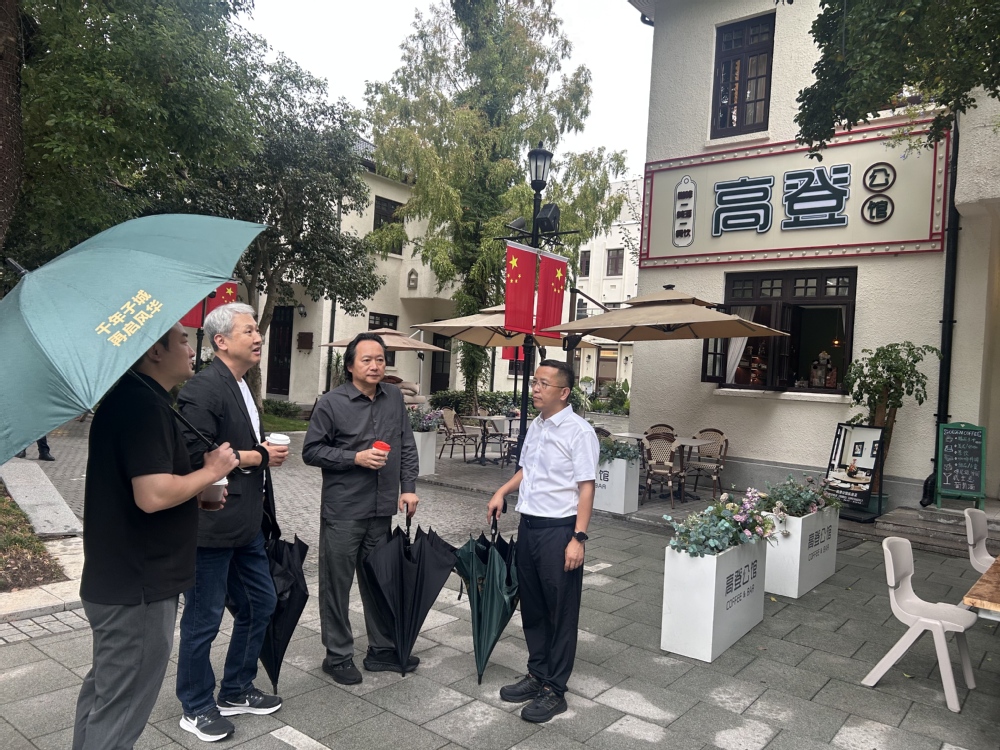
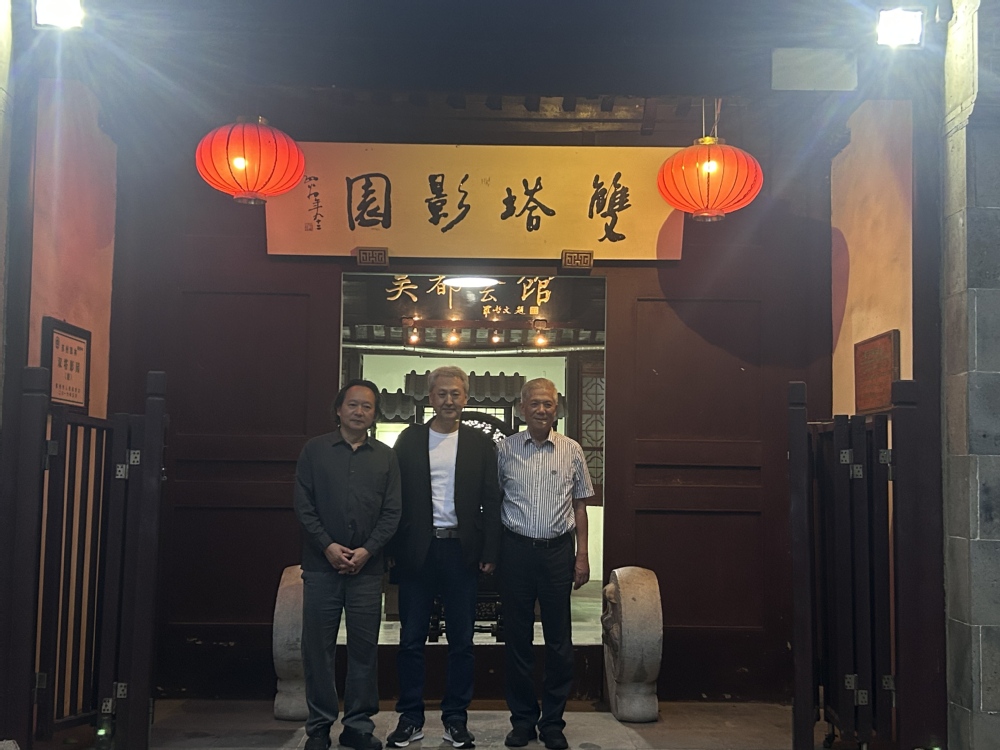
In the later stage of the research visit, Professor Lee conducted site surveys of key areas in Suzhou Ancient City, including Jincheng New Village and Block 32. He carried out in-depth research on practical models for Suzhou Ancient City renewal, old neighborhood restoration and cultural lineage inheritance, with a focus on learning Suzhou’s proven experience in balancing ancient city landscape conservation, living environment improvement and urban modernization. Afterwards, the team visited Shuangta Shadow Garden of Suzhou Wudu Construction Investment Co., Ltd. for research and discussion. Both sides exchanged experience on the conservation and operation of historic buildings in China and the Republic of Korea, innovation in adaptive reuse business models, sustainable development and paths for cross-border industry-university-research cooperation, accumulating practical references for future two-way collaboration.
This special exchange further strengthened the linkage between the Joint Laboratory and its Korean Global Office, facilitated regular academic communication between China and the Republic of Korea in cultural heritage, and effectively promoted the implementation of cooperative projects including book compilation, research on ancient city adaptive reuse and bilateral academic exchanges.
Based on the Belt and Road international cooperation framework, the Joint Laboratory continues to advance the development of overseas bases. To date, multiple overseas global offices have been established in the Republic of Korea, Portugal, Singapore, Italy and other locations, forming an extensive, pragmatic and efficient international academic cooperation network.
Moving forward, the Joint Laboratory will leverage the bridging function of each overseas global office, continuously deepen transnational academic learning and industry-university-research collaborative innovation, actively explore new approaches for cultural heritage conservation, adaptive reuse and international communication, and contribute to the living inheritance of cultural heritage and two-way exchange and mutual learning of architectural cultures between China and foreign countries.