
 中文版
 Soochow University
 Search
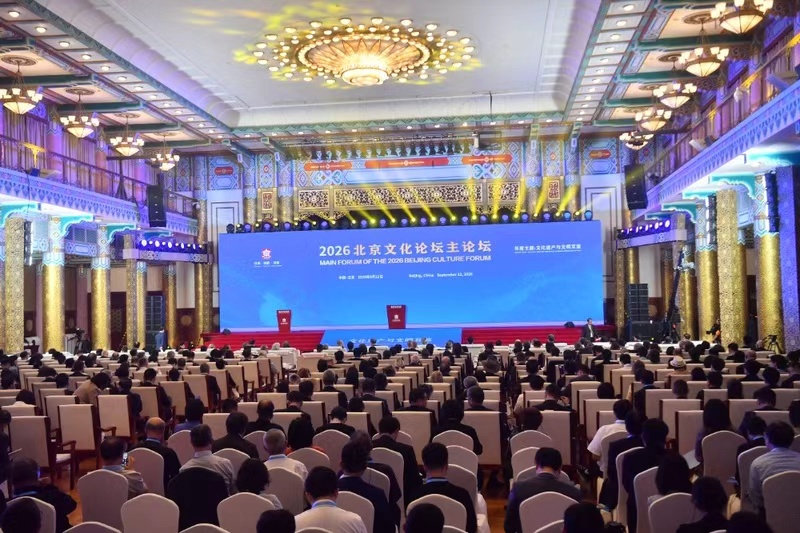
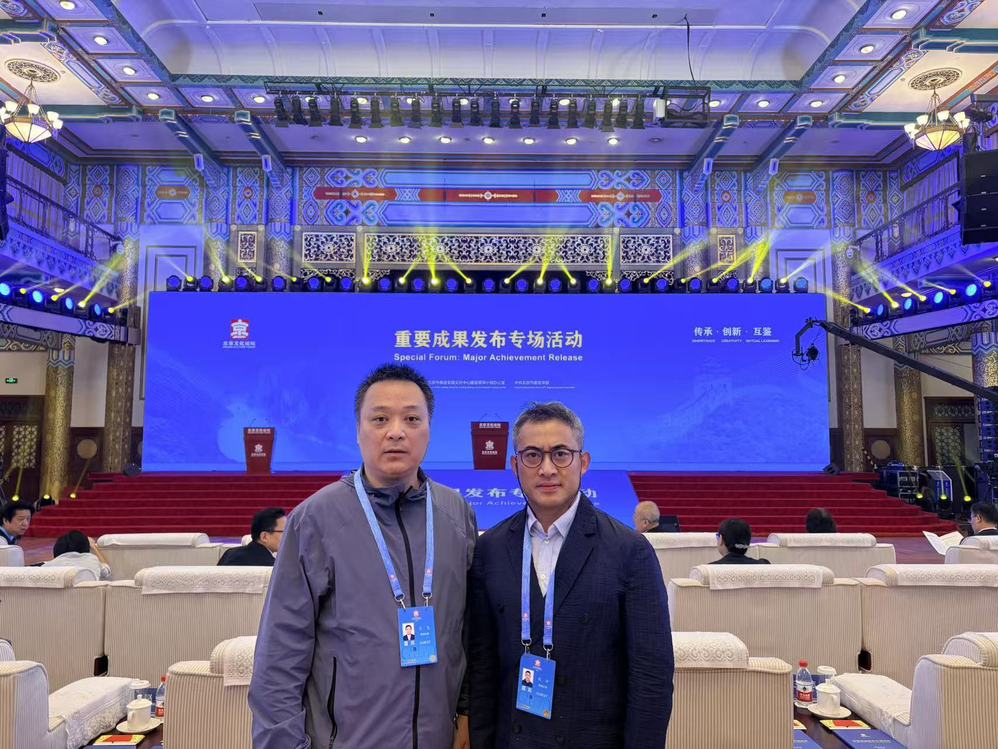
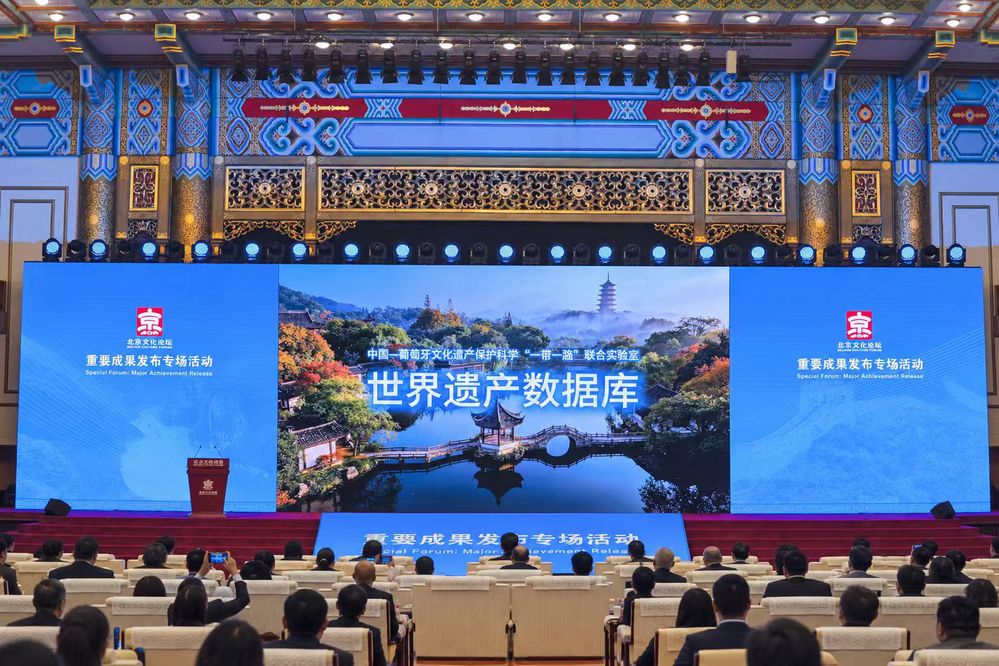
On September 22, the 2026 Beijing Culture Forum opened in Beijing. The Belt and Road World Heritage Database, developed by the China-Portugal Belt and Road Joint Laboratory on Cultural Heritage Conservation Science, was showcased to Chinese and international guests via video at a special major achievements launch session held that evening. It was the only selected project from Jiangsu Province. Professor Wu Yao, Director of the Joint Laboratory, and Professor Zhao Chong, Principal Investigator of the database project, attended the event.
Approved by the State Council and co-hosted by the Publicity Department of the CPC Central Committee, the CPC Beijing Municipal Committee and the Beijing Municipal People’s Government, the 2026 Beijing Culture Forum adopts Inheritance, Creativity and Mutual Learning as its permanent theme and Cultural Heritage and Mutual Learning Among Civilizations as its annual theme. Positioned as a national, international and academic platform, the forum gathered over 600 guests from 44 countries and regions in Beijing. Participants engaged in in-depth discussions on systematic conservation of cultural heritage, international cooperation, ancient capital preservation, artistic creation and youth engagement, to forge global consensus on heritage conservation and cross-civilizational exchange.
The forum’s annual theme aligns closely with the mission of the Joint Laboratory. Co-founded by Soochow University, City University of Macau and the University of Évora in Portugal, the Joint Laboratory serves as a key platform for technological innovation and international cooperation in cultural heritage conservation. It brings together researchers from China, Portuguese-speaking countries and other Belt and Road partner nations to pursue collaborative innovation in preventive conservation, digital documentation, conservation material development, sustainable utilization and public education. The laboratory promotes cross-border sharing of technologies, talents, data and research outcomes, bridging traditional heritage with modern society and helping Chinese culture reach global audiences.
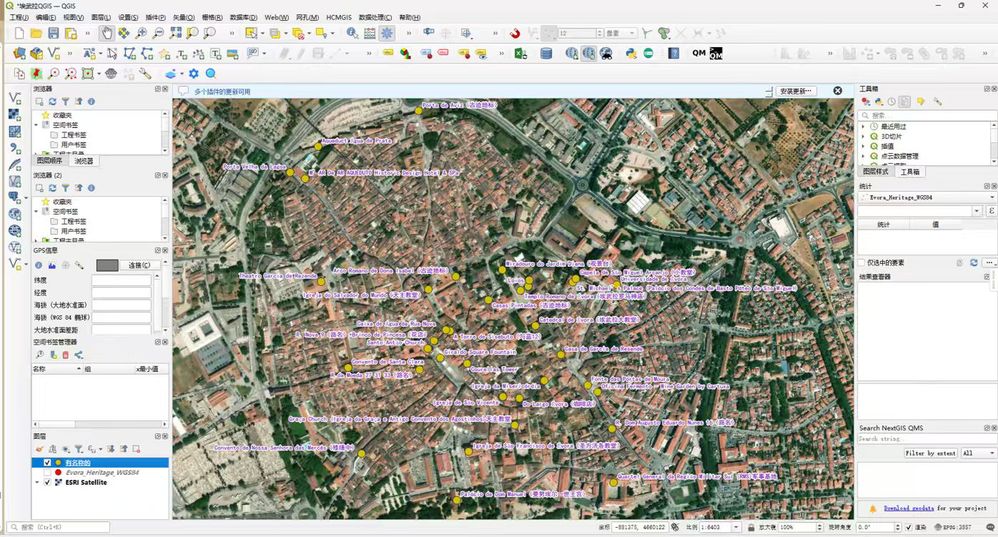
The newly unveiled Belt and Road World Heritage Database marks a milestone for the Joint Laboratory in advancing digital heritage preservation and civilizational dialogue. It is the first dedicated database of its kind nationwide for Belt and Road world heritage. The platform features four core modules: tangible cultural heritage, intangible cultural heritage, R&D and creative products, and map browsing. Powered by GIS spatial technology, it integrates heritage locations, historical evolution and cultural connotations. Through map visualization and knowledge graphs, static heritage records are transformed into observable, analyzable and shareable digital assets.
To date, the database has assembled more than 1,000 heritage cases, over 90 creative products and profiles of 41 intangible cultural heritage inheritors, covering multiple Belt and Road partner countries and regions including China, Portugal, the Republic of Korea and Singapore. Previously, the project was named one of the Top 10 International Industry-University-Research Cooperation Achievements of Jiangsu Universities for 2025. As Jiangsu’s sole representative featured at the forum’s major achievements release, the recognition validates the project’s progress and opens new avenues for the laboratory to deepen international collaboration and expand outcome sharing.
Professor Wu Yao, Director of the Joint Laboratory, remarked that the Beijing Culture Forum is a vital platform for inheriting and developing Chinese culture and fostering exchanges between civilizations. The database presentation represents a showcase of the laboratory’s phased achievements and embodies its responsibilities for the future. The Joint Laboratory will seize this opportunity to expand its collaborative network with Belt and Road countries and international cultural heritage institutions, continuously enrich database contents and strengthen the platform’s capacity for academic research, conservation decision-making, education, outreach and public services.
Professor Zhao Chong, Principal Investigator of the database project, stated that the project aims to connect scattered cultural heritage resources across countries and regions through digital technologies, providing data support for heritage conservation, academic research and civilizational mutual learning. Moving forward, the team will refine data standards and knowledge frameworks, explore deeper integration between digital technologies and heritage conservation, and advance global sharing of heritage data and collaborative innovation in conservation techniques.
From water towns in the Jiangnan region to the Iberian Peninsula, from traditional construction wisdom to digital empowerment, cultural heritage grows richer through exchange, and civilizations gain vitality through mutual learning. The Joint Laboratory will continue to safeguard historical memory with science and technology, connect diverse civilizations through partnership, and contribute further insights and strength to cultural heritage preservation and inheritance.