
 中文版
 Soochow University
 Search
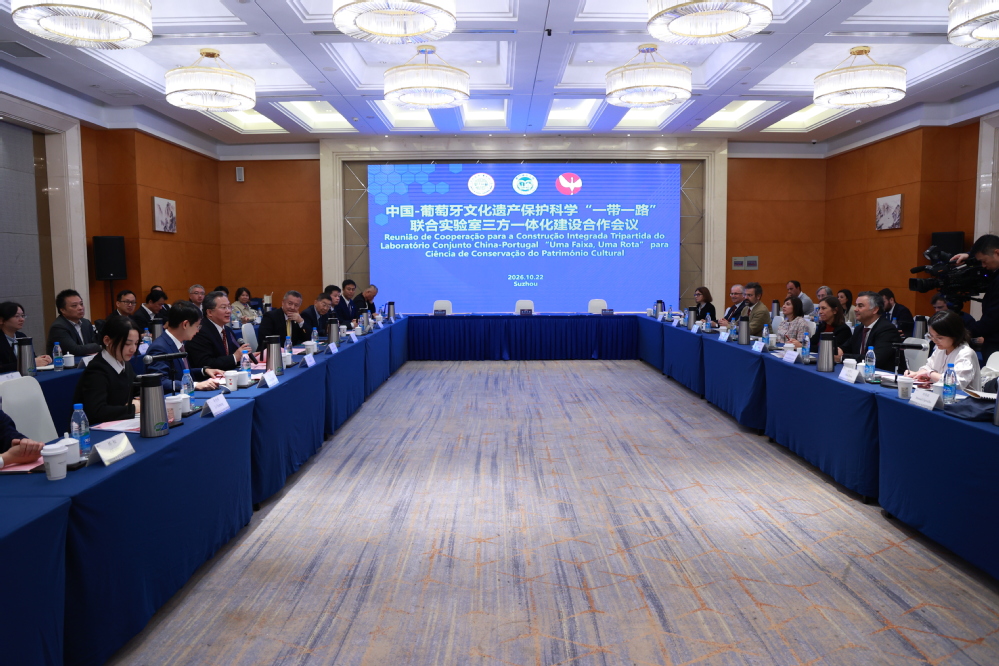 Scene of the Trilateral Cooperation Meeting for Integrated Development
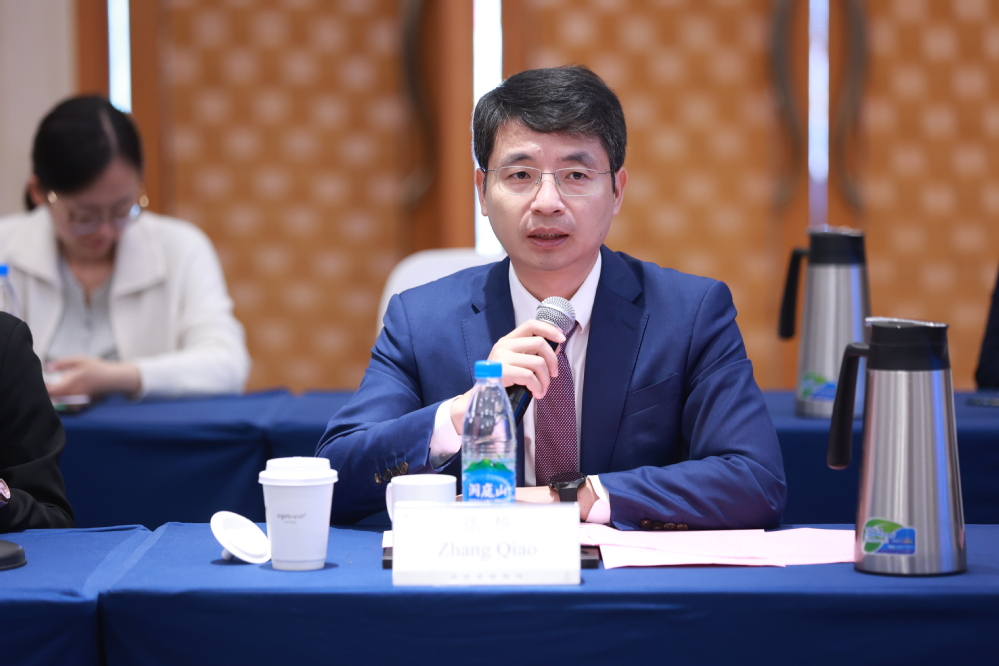 Remarks by Zhang Qiao, President of Soochow University
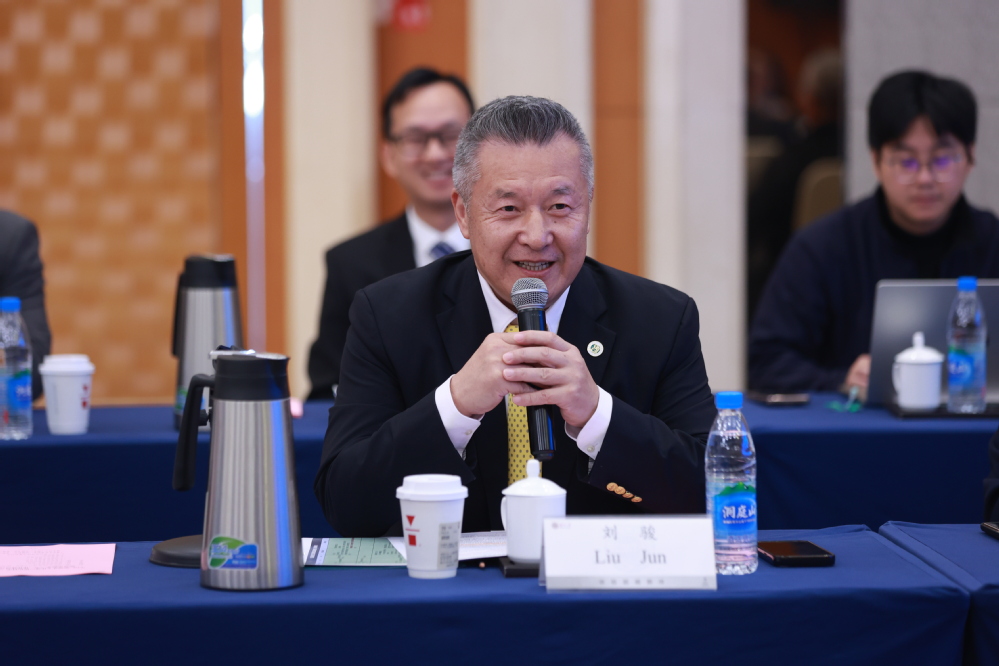 Remarks by Liu Jun, President of City University of Macau
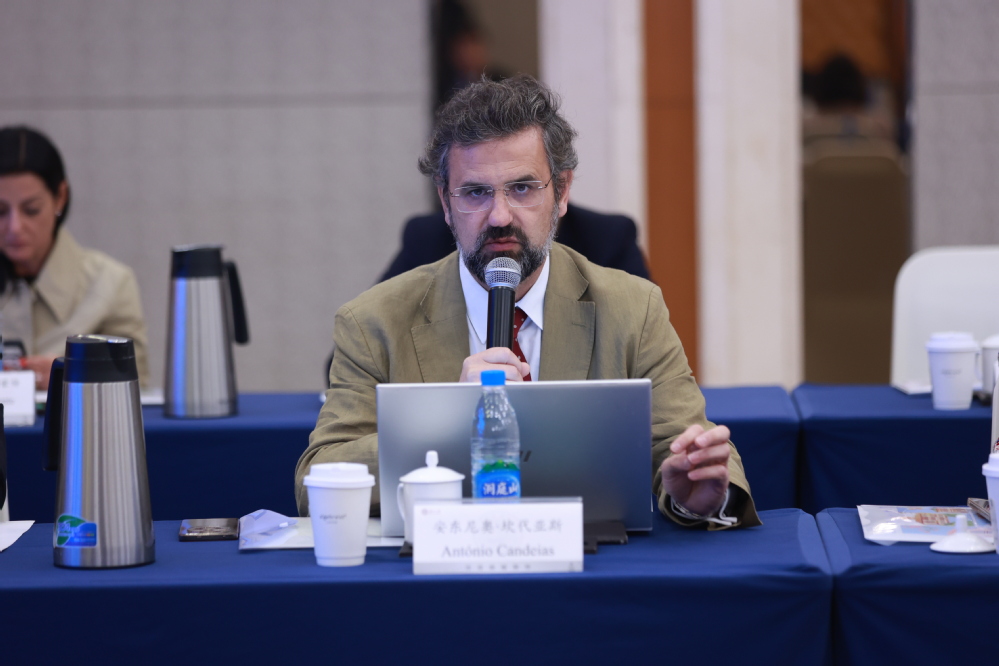 Remarks by António Candeias, Rector of the University of Évora
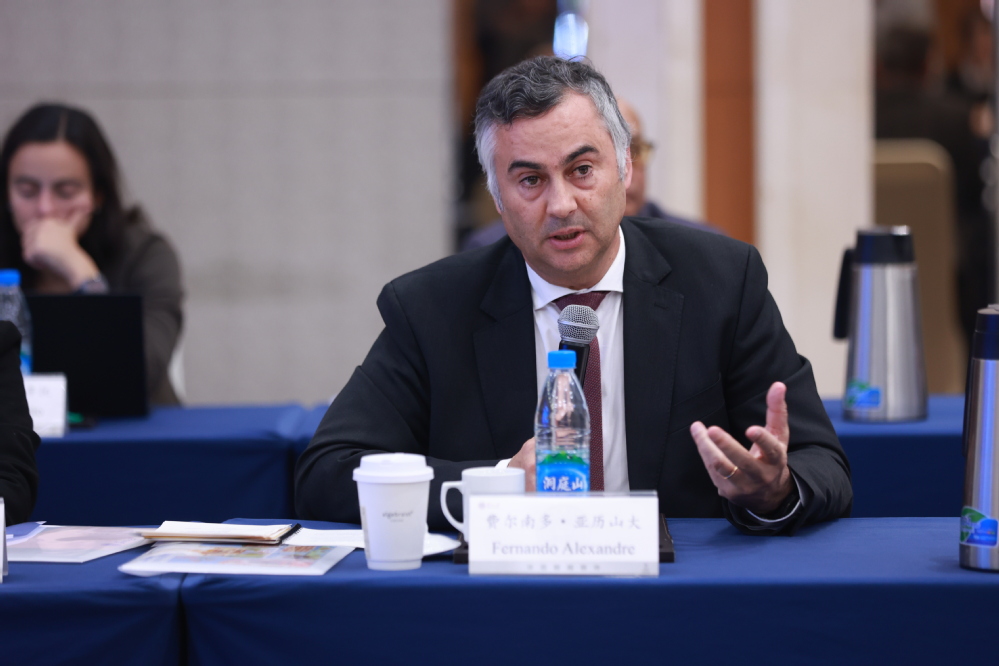 Remarks by Fernando Alexandre, Minister of Education, Science and Innovation of Portugal
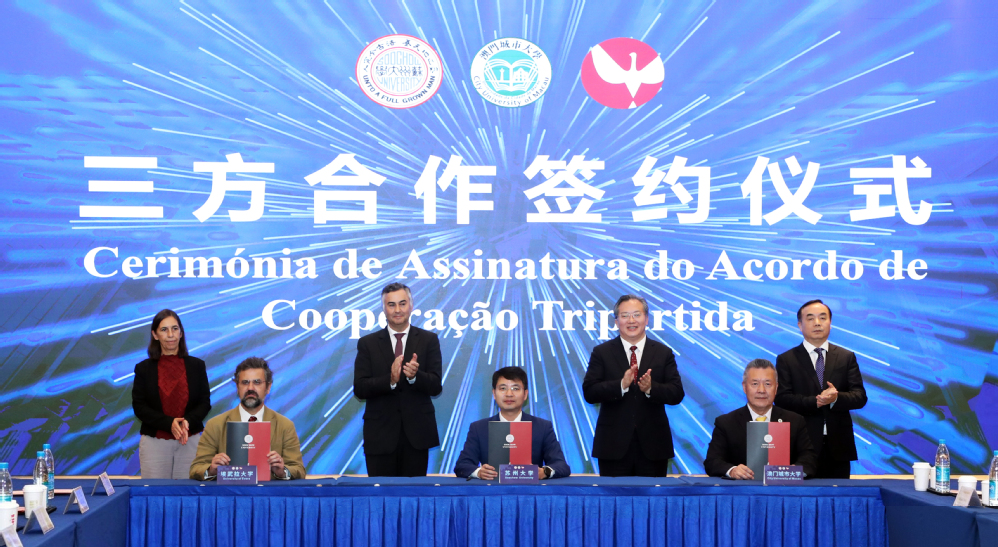 Signing of the Trilateral Integrated Development Cooperation Agreement
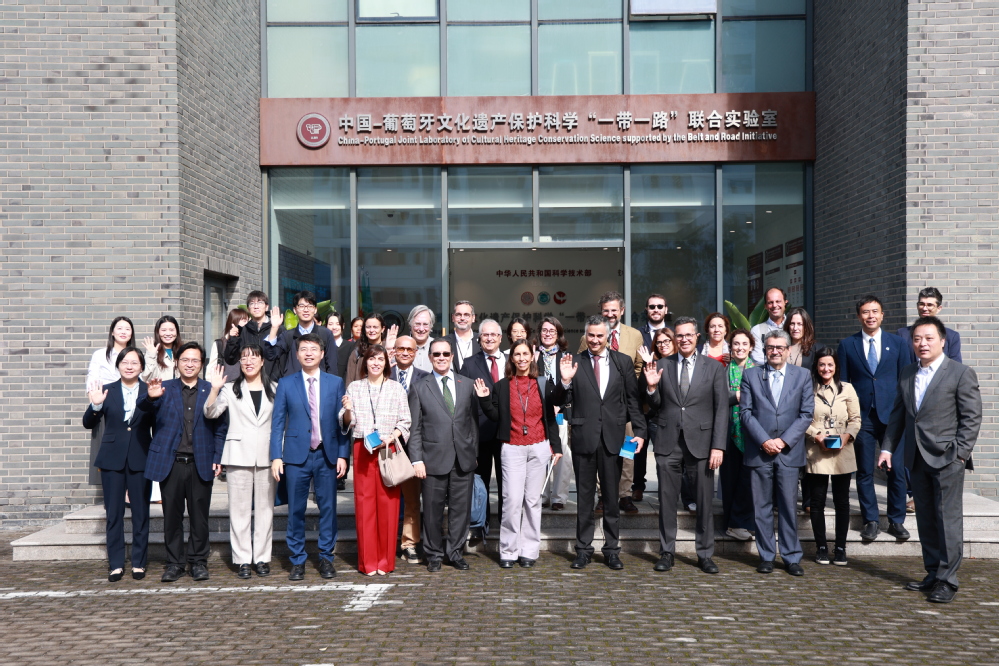 Group Photo During the Visit
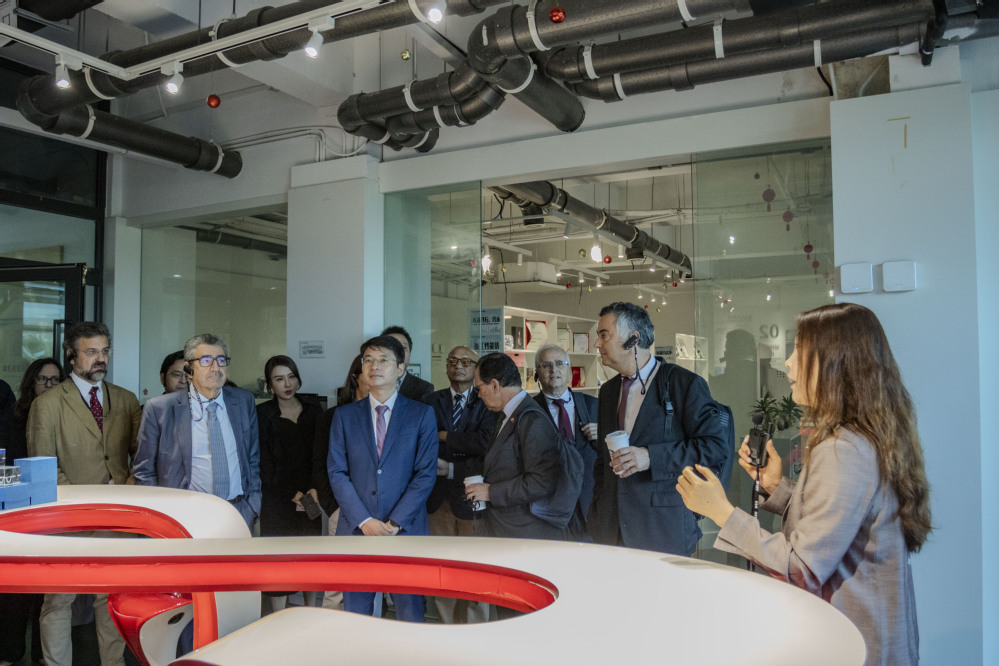 Visit to the International Research Center for Green Architecture
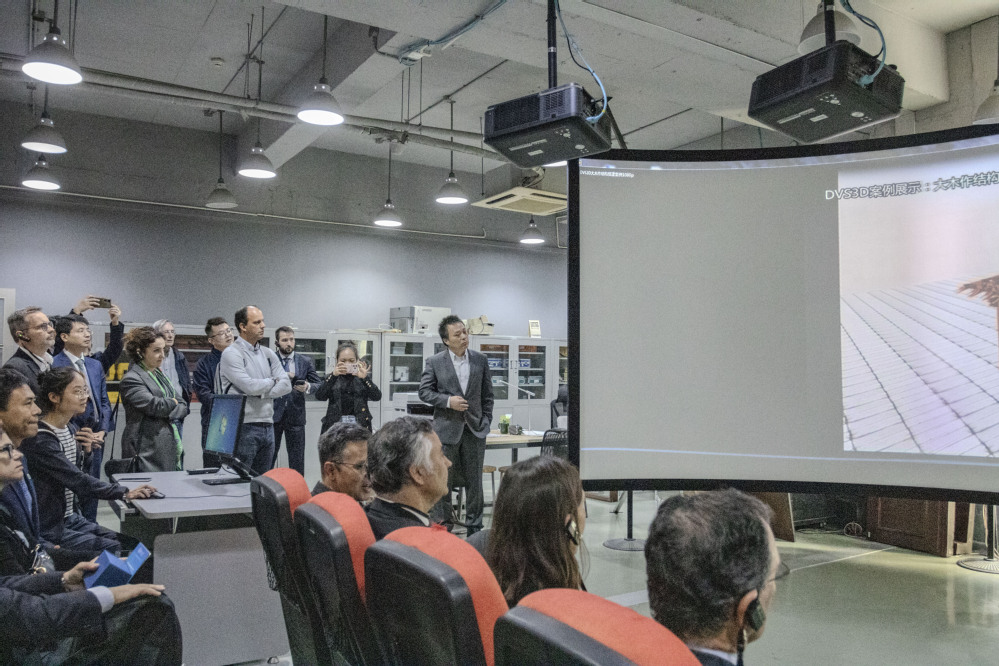 Visit to the Digital and Surveying Laboratory
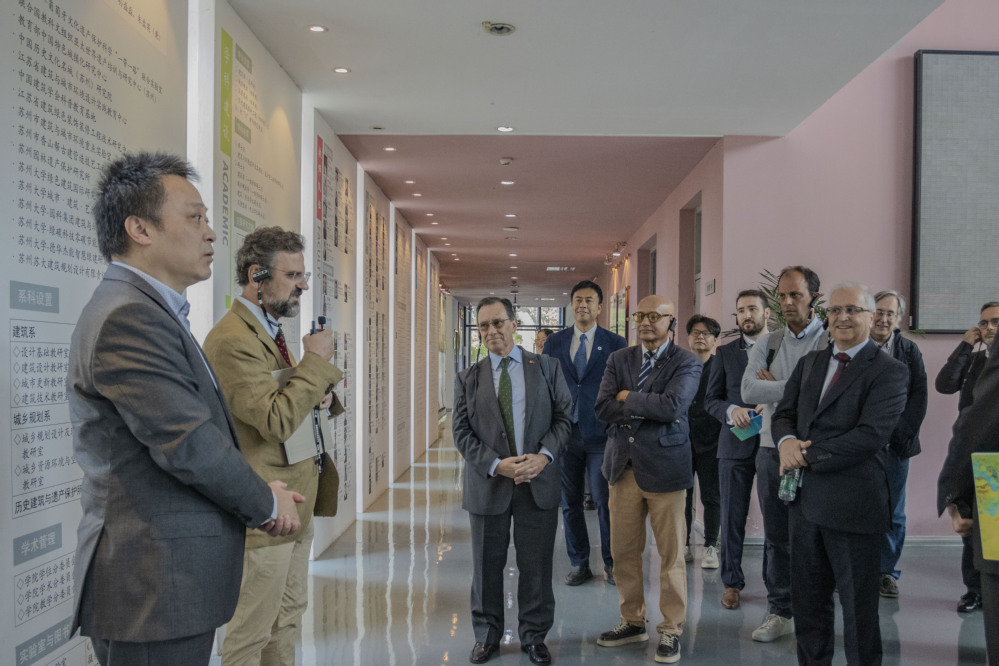 Visit to the Exhibition of the Joint Laboratory
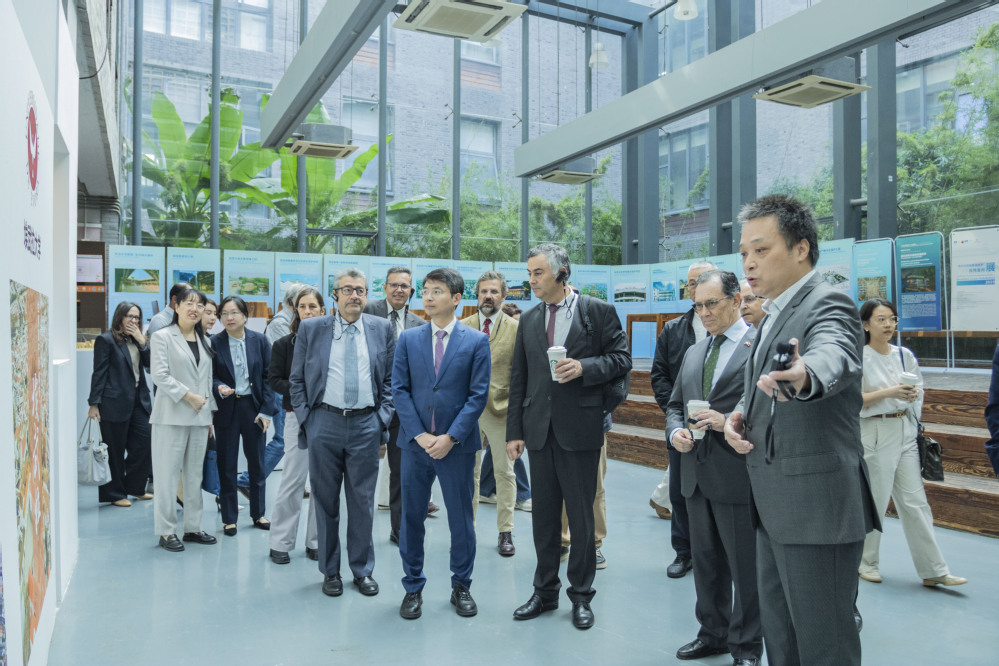 Visit to the Exhibition of the Joint Laboratory
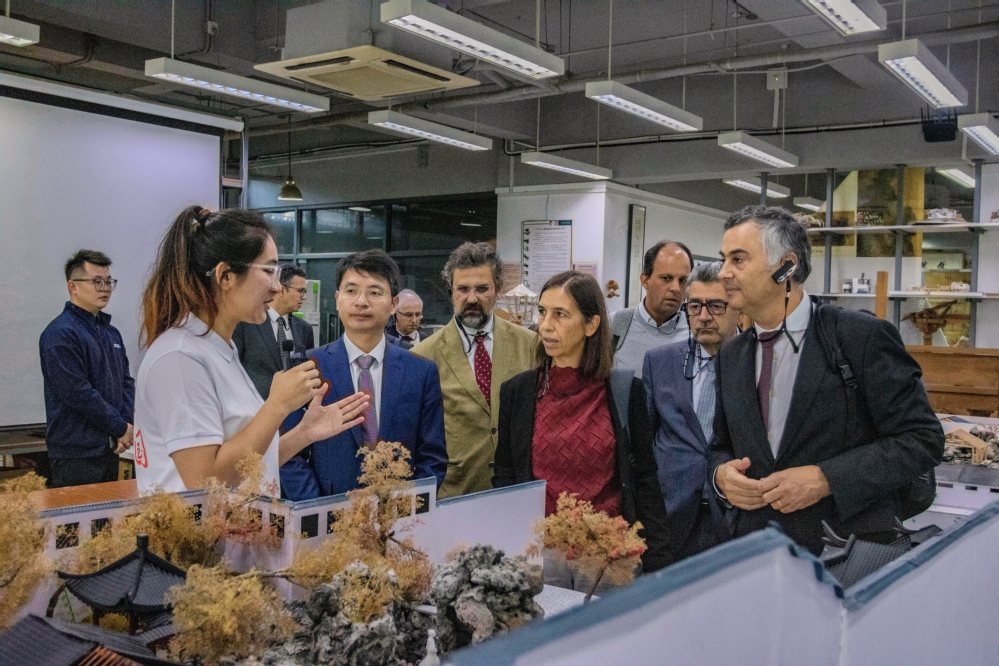 Visit to the Historic Building Laboratory
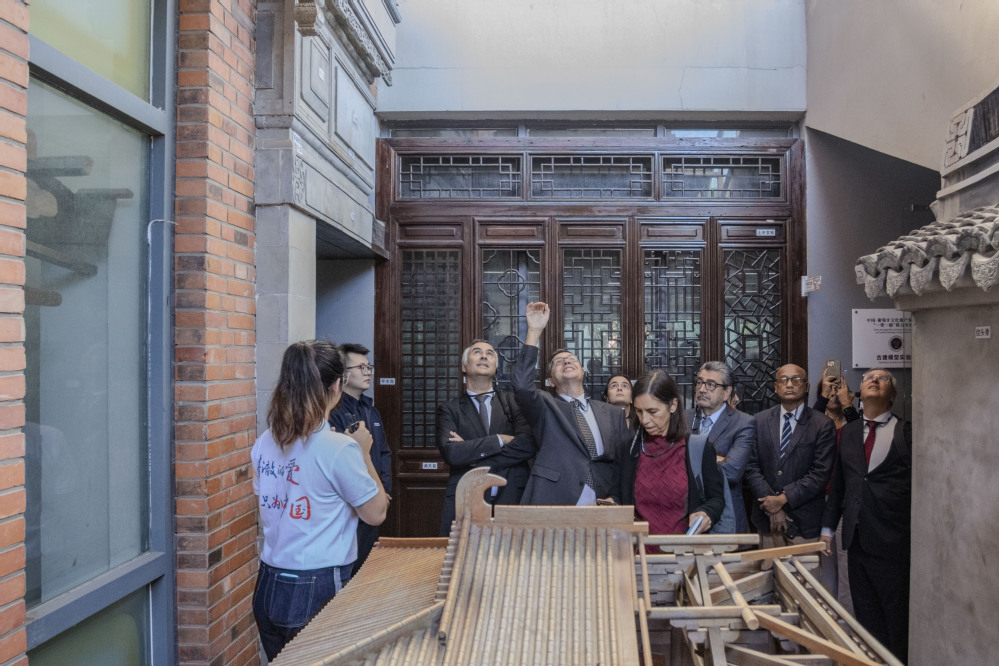 Visit to the Historic Building Exhibition Hall
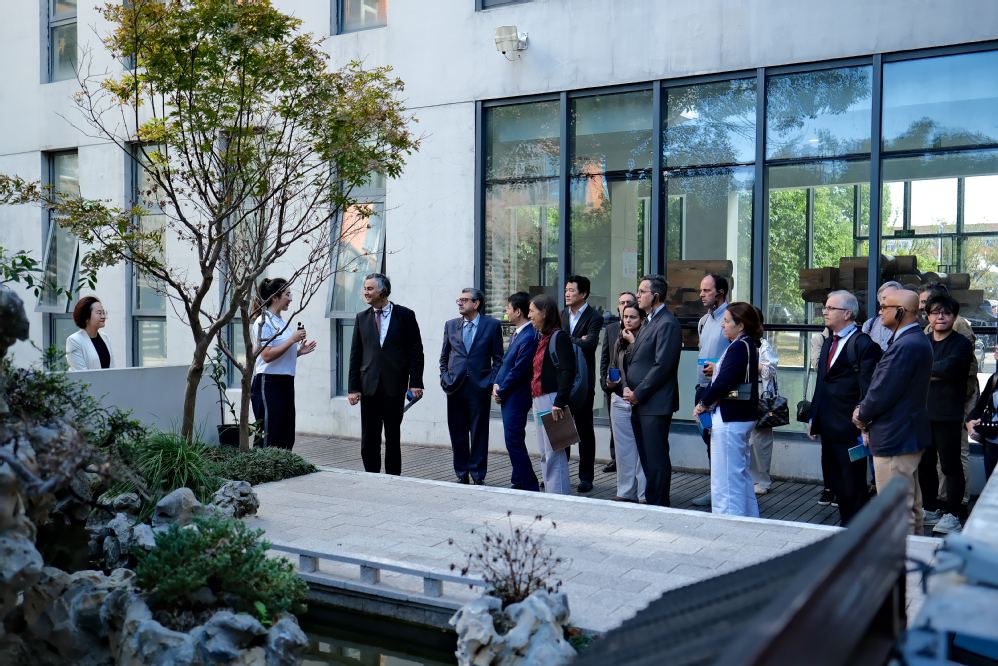 Visit to the Scale Models
On 22 October, the tripartite cooperation meeting for the regular operation of the China-Portugal Belt and Road Joint Laboratory on Cultural Heritage Conservation Science was held in Suzhou. Fernando Alexandre, Minister of Education, Science and Innovation of Portugal, Helena Canhão, Secretary of State for Education, Science and Innovation of Portugal, Fan Bo, Secretary of the CPC Suzhou Municipal Committee, and Zhang Xiaohong, Secretary of the Party Committee of Soochow University, attended the meeting.
The meeting was chaired by Zhang Qiao, President of Soochow University. On behalf of the university, President Zhang extended a warm welcome to the Portuguese ministerial delegation and all guests. He noted that the Joint Laboratory, jointly built by the three universities, has yielded fruitful outcomes in scientific conservation of cultural heritage, application of digital technologies and cultivation of international talent. Taking the signing of this cooperation agreement as a new starting point, Soochow University looks forward to expanding cooperation with Portuguese universities and research institutions, advancing joint research, commercialisation of technological achievements and academic exchanges, and developing the Joint Laboratory into a key platform linking China and Portugal for science and education collaboration.
Liu Jun, President of City University of Macau, remarked that Macau shares profound historical and cultural ties with Portuguese-speaking countries and holds unique advantages in facilitating scientific, technological and people-to-people exchanges between China and Portuguese-speaking nations. Leveraging the China-Portugal Belt and Road Joint Laboratory on Cultural Heritage Conservation Science, City University of Macau will act as an effective bridge to strengthen coordinated partnership with Soochow University and the University of Évora. The three parties will work to share research resources and complement each other’s strengths, delivering more tangible results in joint research, talent training and cultural heritage conservation.
António Candeias, Rector of the University of Évora, stated that the University of Évora attaches great importance to its long-term cooperation with Chinese higher education institutions. The trilateral Joint Laboratory has emerged as a vital platform for scientific research on cultural heritage conservation and international academic exchange. The signing of the agreement creates fresh momentum for deepening collaboration among the three universities. He expressed hopes that the partners can further capitalise on their respective research strengths, expand interdisciplinary joint research and technological innovation, and boost exchanges among young researchers to inject new vitality into Sino-Portuguese scientific and technological cooperation.
In his address, Fernando Alexandre noted that on 19 October, he and Yin Hejun, Minister of Science and Technology of China, signed the Joint Statement of the 10th Meeting of the Sino-Portuguese Joint Commission for Scientific and Technological Cooperation, which identifies cultural heritage as one of the five priority areas for bilateral science and technology collaboration. He pointed out that China and Portugal enjoy a solid foundation for cooperation in scientific innovation and higher education. Relying on the Joint Laboratory as a core link, the two sides will not only deepen collaboration on cultural heritage conservation but also broaden the scope of cooperation across disciplines, extending partnership from humanities and social sciences to natural sciences and other fields, and fostering more extensive and in-depth exchanges between universities and research institutes of both countries.
Participants exchanged views on Sino-Portuguese scientific and technological cooperation, collaborative innovation among the three universities and prospects for cultural heritage conservation. They explored pathways to harness collective research strengths, advance transnational joint research, promote the translation of scientific and technological advances and facilitate talent mobility, building consensus for the Joint Laboratory to expand international partnerships and enhance collaborative innovation capacity.
During the meeting, President Zhang Qiao, President Liu Jun and Rector António Candeias signed the cooperation agreement on behalf of the three partners. Minister Fernando Alexandre, Secretary of State Helena Canhão, Secretary Fan Bo and Secretary Zhang Xiaohong witnessed the signing ceremony.
Under the agreement, the three parties will establish a transnational collaborative operating mechanism characterised by one laboratory brand, three operational bases and coordinated advancement. Integrating advantageous resources from Suzhou, Macau and Évora, the framework will form an international scientific cooperation system featuring unified governance, coordinated innovation and shared outcomes. It will further advance joint research, technology transfer, young talent development, researcher mobility and academic interaction. The signing marks a continuation of the long-standing partnership between the three institutions and signals a new milestone for the Joint Laboratory in resource integration, institutional development and collaborative innovation.
Earlier that morning, Minister Alexandre and his delegation visited the Gold Mantis School of Architecture of Soochow University and the Joint Laboratory. President Zhang Qiao and Vice President Yu Yulan accompanied the tour. Professor Wu Yao, Director of the China-Portugal Belt and Road Joint Laboratory on Cultural Heritage Conservation Science, briefed the delegation on the laboratory’s development trajectory, international partnership network, research platform development and landmark research outputs.
The delegation toured the laboratory’s exhibition hall, the International Research Center for Green Architecture, and the exhibition space for intelligent construction and historic buildings. They learned about progress in the conservation and adaptive reuse of architectural cultural heritage, development of new conservation materials, deployment of digital technologies, heritage education and communication, as well as innovative practices that integrate traditional construction craftsmanship with modern science and technology.
Approved by the Ministry of Science and Technology of China in 2020, the China-Portugal Belt and Road Joint Laboratory on Cultural Heritage Conservation Science is led by Soochow University in partnership with City University of Macau and the University of Évora. Since its launch, the laboratory has capitalised on complementary strengths across the three locations in cultural heritage resources, research expertise and international engagement. It has carried out joint research on the scientific conservation of built heritage, digital applications, conservation material development and international talent training, achieving notable progress in research infrastructure, international demonstration projects and cultural exchange.
This visit takes place at a time of deepening Sino-Portuguese scientific and technological cooperation. As a national-level international science and technology cooperation platform dedicated to cultural heritage conservation science, the China-Portugal Belt and Road Joint Laboratory on Cultural Heritage Conservation Science will seize the opportunity presented by the tripartite cooperation meeting for the regular operation agreement to strengthen resource integration and collaborative innovation. Aligned with bilateral science and technology priorities, it will advance practical cooperation on cultural heritage conservation, expand research ties with Portugal and other Portuguese-speaking countries, and leverage scientific innovation to support heritage protection and sustainable development. The laboratory aims to contribute to deeper Sino-Portuguese scientific collaboration, mutual learning among civilisations and the advancement of the Belt and Road Initiative.
Manuel Carvalho, Ambassador of Portugal to China, Silvia Inácio, Consul General of Portugal in Shanghai, Qi Song, Deputy Secretary of the CPC Suzhou Municipal Committee and Secretary-General of the CPC Suzhou Municipal Committee, Academician Li Shutang of the Chinese Academy of Sciences, Vice President Yu Yulan of Soochow University, officials from relevant Jiangsu provincial authorities, and representatives from universities and research institutions of China and Portugal attended the event.